
What to Expect at Your First Physiotherapy Appointment: Comprehensive Guide for New Patients in Lisburn
By Active Therapy, Active Therapy Clinic
Starting physiotherapy can feel overwhelming if you’re visiting for the first time. From preparations before your appointment to understanding the assessment and treatment process, new patients often have many questions. This extensive guide has been developed to demystify your initial physiotherapy experience at Active Therapy Clinic in Lisburn. It provides a thorough overview covering everything you need to know: how to prepare, what happens during your assessment, details of subjective and objective examinations, the creation of your personalised treatment plan, common treatment interventions on day one, goal setting, home exercises, and what to expect in terms of follow-up care.
Pre-Appointment Preparation and Intake Checklist

Preparing thoroughly ahead of your first physiotherapy session helps streamline the visit and ensures your therapist has all necessary information. Here is a checklist to guide your preparation:
- Medical Documentation: Bring any recent imaging reports (X-rays, MRIs), referral letters from your GP or specialist, and previous treatment notes if you have them.
- Medication List: Prepare a list with the names and dosages of any medicines or supplements you are currently taking.
- Insurance and Identification: Carry your health insurance card if applicable and a photo ID.
- Complete Pre-Appointment Forms: If provided beforehand by the clinic, complete and bring any health questionnaires or intake forms.
- Comfortable Clothing: Choose loose, breathable garments that allow access to the area requiring treatment—for example, shorts or a sleeveless top depending on your condition.
- Questions and Goals: Write down any questions you have and think about what you wish to achieve from physiotherapy—pain reduction, improved mobility, or returning to sport, for instance.
- Arrive Early: Aim to arrive a few minutes early to complete any outstanding paperwork and to start the appointment on time.
If you have doubts or need assistance before your visit, contact Active Therapy Clinic directly at (028) 3834 1110 or email info@activetherapyclinic.co.uk.
Detailed Breakdown of Your Initial Physiotherapy Assessment at Active Therapy Clinic
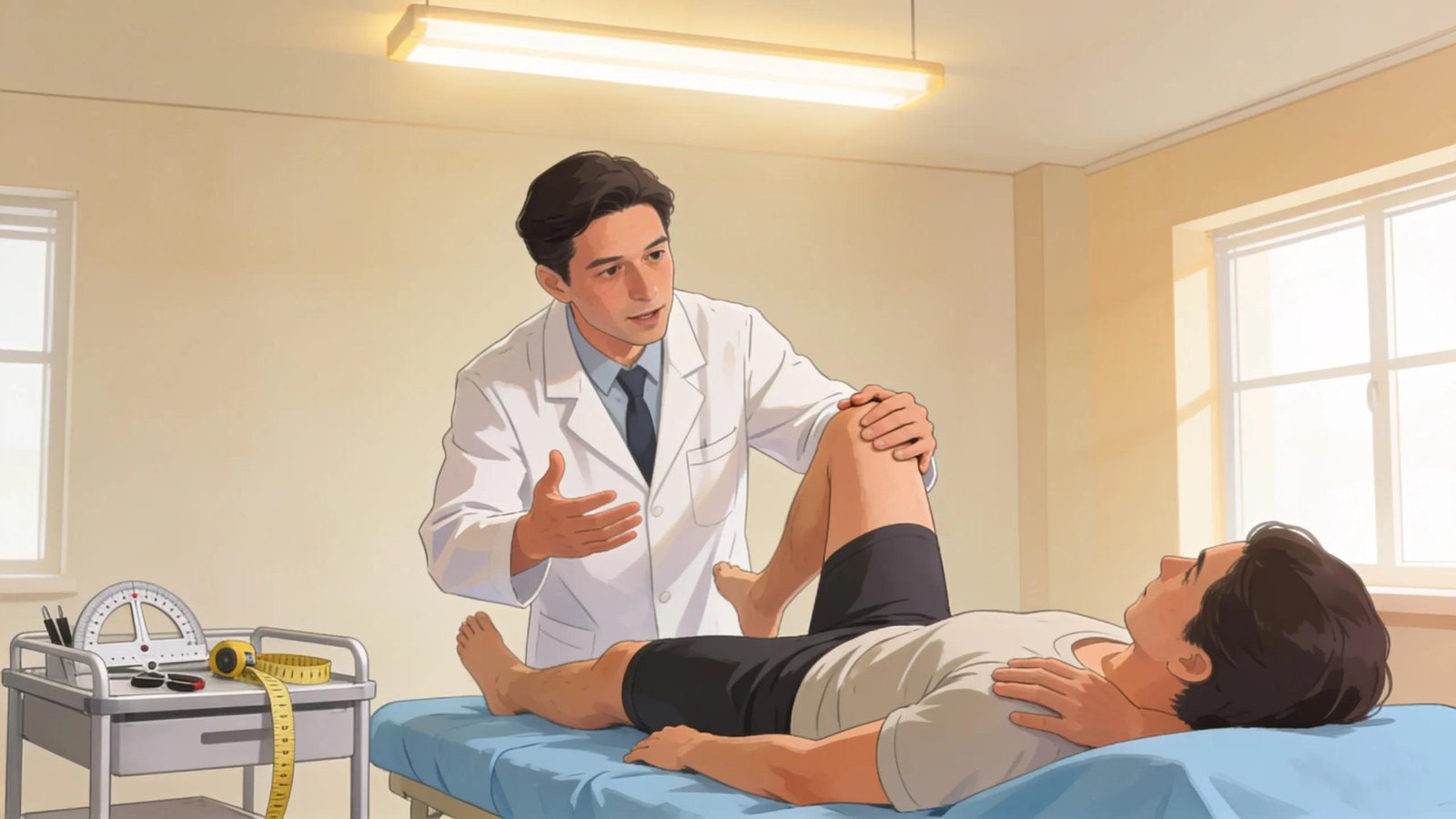
Your first physiotherapy appointment typically lasts 60 minutes and is divided into two main parts: the subjective examination and the objective examination. These components are essential to develop a full picture of your condition.
Subjective Examination
This is the interview portion where your therapist gathers detailed information about your health history and current symptoms. Expect discussion on topics such as:
- The history and onset of your condition or injury.
- Previous treatments and their outcomes.
- The effect of symptoms on daily activities and quality of life.
- Pain characteristics: intensity, duration, triggers, and relieving factors.
- Your medical background including surgeries, chronic diseases, or relevant family history.
- Psychosocial factors that may influence recovery like stress or workplace ergonomics.
- Your lifestyle habits including physical activity, occupation, and hobbies.
Objective Examination
This is the hands-on physical assessment. The clinician performs specific tests and measures to objectively evaluate your physical status. Common steps include:
- Observation: Inspect posture, gait, or any visible abnormalities.
- Palpation: Feeling tissues for tenderness, swelling, or temperature changes.
- Range of Motion (ROM) Testing: Measuring movement extent of the affected joints.
- Strength Assessment: Evaluating muscle power and endurance.
- Neurological Screening: Testing reflexes, sensations, and nerve function if relevant.
- Functional Movement Analysis: Assessing how you perform activities that may be limited by your condition.
- Special Tests: Specific maneuvers that help diagnose particular pathologies.
Collectively, these findings enable your physiotherapist to identify underlying issues and direct treatment appropriately.
Typical Day-One Treatment Interventions and Initial Care
After assessment on your first visit, your physiotherapist will begin treatment tailored to your needs. This may include:
- Manual Therapy: Techniques such as soft tissue massage, joint mobilizations, or stretching to relieve pain and improve mobility.
- Education: Advice about posture, activity modifications, pain management strategies, and injury prevention.
- Initial Exercises: Simple, safe movements are introduced to restore function and enhance recovery.
- Modalities: Use of heat, ice, ultrasound, or electrotherapy if clinically indicated.
- Setting Expectations: Clear discussion regarding the prognosis, treatment timeline, and what you can do to support healing.
Physiotherapists prioritise gentle interventions on day one to avoid aggravating your condition, focusing on establishing a solid foundation for ongoing treatment.
Goal Setting and Creating Your Personalised Treatment Plan
Effective goal setting is a collaborative process between you and your physiotherapist. It transforms your hopes and needs into tangible, measurable targets.
Goals may include:
- Reducing pain or discomfort levels.
- Improving joint mobility or muscle strength.
- Restoring the ability to perform specific activities like walking, lifting, or sports participation.
- Enhancing overall function and quality of life.
Your treatment plan, designed after the initial appointment, reflects these objectives and integrates:
- The assessment findings addressing physical impairments.
- Your personal lifestyle, occupation, and preferences.
- Evidence-based treatment methods suitable for your condition.
- A structured progression of therapy milestones.
Periodic reviews of your goals keep you and your therapist aligned throughout your rehabilitation journey.
Home Exercise Prescription: Empowering Your Recovery
A vital element of physiotherapy success is the consistent performance of prescribed exercises outside the clinic. Your therapist will provide a customised home exercise program including:
- Clear instructions, often supported by printed materials or digital resources.
- Specific sets, repetitions, and frequency guidelines.
- Modifications and progressions tailored to your improvement.
- Safety advice to prevent injury while exercising.
Adhering to your home exercise routine facilitates faster recovery and long-term benefits.
Follow-Up Cadence: What to Expect After Your Initial Visit
Follow-up appointments depend on your individual condition and recovery progress. Common scheduling ranges include:
- Acute or more severe cases: Weekly or biweekly visits initially to monitor and advance treatment.
- Chronic or maintenance phases: Less frequent visits, possibly monthly, focusing on sustaining gains.
- Discharge planning: Once goals are met and function restored, appointments will reduce and eventually end.
Your physiotherapist will discuss the appropriate frequency and duration at your first visit and adjust plans as needed based on your progress.
Frequently Asked Questions by New Patients
- What should I wear and bring on the first visit? Wear comfortable clothes that allow easy access to the affected area—shorts for leg injuries, sleeveless top for shoulder issues, for example. Bring medical documents, medication list, insurance card, and your prepared questions or goals.
- What happens during the first appointment? A detailed subjective and objective assessment lasting about 60 minutes, followed by initial treatments and goal setting.
- Will I receive treatment on day one? Yes, initial interventions like manual therapy and exercise introduction are commonly provided if appropriate.
- How long does a typical physiotherapy course last? It varies widely depending on your condition, severity, and goals—anywhere from a few sessions to several months.
- How often will I need to attend sessions? Your therapist will advise based on your needs, often weekly at the start, then tapering as you improve.
- What if I can’t perform exercises at home? Inform your therapist promptly; they can adjust your program to better suit your ability and lifestyle.
- How do I know if therapy is working? Improvement in pain, movement, strength, and function aligned with your goals indicates positive progress.
Understanding these important aspects before and during your visit helps you take control of your rehabilitation process from day one. Active Therapy Clinic is dedicated to providing patient-centred care with clear communication and expert treatment to support your journey towards improved health and wellbeing.