
Top 5 Sports Injuries: Expert Physiotherapy Recovery in Lisburn
ð Book Online via JaneApp (Lisburn Clinic)
Schedule your physiotherapy sessions easily online with our JaneApp booking system.
For Lurgan clinic booking, please contact reception directly.
Understanding and Treating Common Sports Injuries in Lisburn
Engaging in sports often leads to various injuries, even among experienced athletes. Understanding the most common sports injuries and how they can be treated is crucial for effective recovery and injury prevention. This article explores the five prevalent sports injuries and illustrates how physiotherapy in Lisburn can provide essential support through targeted rehabilitation. From ankle sprains to tendinitis, recognising the symptoms and having access to professional physiotherapy services can significantly enhance recovery. We will also outline the recommended exercises and the physiotherapy techniques that assist in the rehabilitation process, along with information on accessing Lisburn physiotherapy services effectively.
What Are the Most Common Sports Injuries in Lisburn?
Sports injuries can occur in different physical activities, and certain injuries are more prevalent among athletes in Lisburn. Among the most common are:
- Ankle Sprains: This injury often occurs during activities that involve sudden direction changes, typically affecting the ligaments surrounding the ankle joint.
- Muscle Strains: These injuries usually happen when muscles are overstretched or torn, particularly during high-intensity workouts or sports.
- Tendinitis: Characterized by inflammation of the tendons, tendinitis is often seen in athletes who perform repetitive motions, such as runners or tennis players.
- Fractures: Stress fractures can occur in bones due to repeated stress, especially in high-impact sports.
- Knee Injuries: Problems such as ligament tears in the knee are common in sports that involve sudden stops or intense jumping.
Beyond the physical implications, these injuries can impact an athlete’s performance and overall well-being, making it essential to understand and seek proper treatment promptly.
How Does Physiotherapy Treat Each Common Sports Injury?
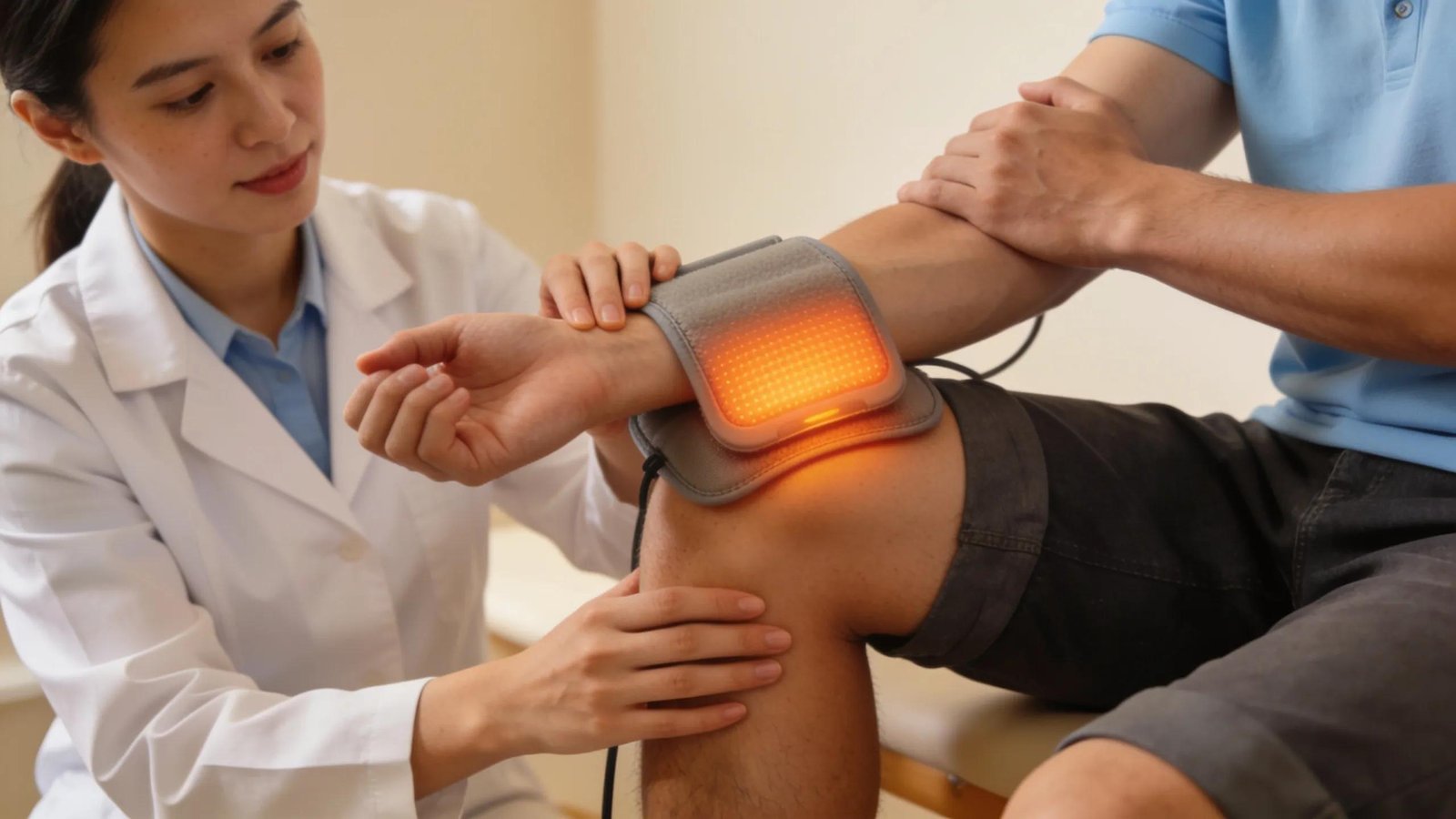
Physiotherapy plays a crucial role in treating common sports injuries through various therapeutic methods designed to alleviate pain, restore mobility, and prevent re-injury. Below is a detailed overview of how physiotherapy addresses specific injuries commonly treated in Lisburn.
What Physiotherapy Techniques Are Used for Ankle Sprains and Strains?
For treating ankle sprains and strains, physiotherapists employ a variety of techniques designed to alleviate pain and promote healing. Manual therapy is commonly utilized to improve joint mobility and reduce stiffness. Additionally, rehabilitation exercises focus on strengthening the surrounding muscles, facilitating recovery, and preventing future injuries. With proper guidance, patients learn how to execute specific movements correctly to prevent re-injury while regaining strength.
Research underscores the effectiveness of structured rehabilitation for ankle injuries, reinforcing the importance of these exercises.
Rehabilitation Exercises for Ankle Sprain Recovery
Our findings provide evidence that rehabilitation exercises are an effective adjunct to functional treatment of ankle sprains. There are several possible reasons for their effectiveness.
Effect of accelerated rehabilitation on function after ankle sprain: randomised controlled trial, CM Bleakley, 2010
How Is Tendonitis Managed Through Targeted Rehabilitation?
Tendonitis management requires a multi-faceted approach in physiotherapy. Physiotherapists often employ Kinesio taping techniques and specialized exercises to alleviate pain and enhance muscle engagement. These methods help in promoting blood flow to the affected area while driving recovery. Expected improvements include enhanced movement quality and reduced discomfort, allowing athletes to return to their sports more quickly.
A comprehensive review highlights the diverse range of exercise interventions available for treating tendinopathies.
Exercise Interventions for Tendinopathies: A Scoping Review
Extracted data from 555 included studies from 31 countries incorporated 25,490 participants with mean study ages ranging from 15-65 years. A range of exercise interventions including strengthening, flexibility, aerobic, proprioceptive, and motor control were ident
Exercise therapy for tendinopathy: A scoping review mapping interventions and outcomes, L Alexander, 2021
Which Sports Injury Recovery Exercises Does Lisburn Physiotherapy Recommend?
Effective recovery from sports injuries is directly influenced by the rehabilitation exercises prescribed during physiotherapy. These exercises are tailored to each individual’s situation and can significantly impact healing.
What Are the Key Rehabilitation Exercises for Sports Injury Recovery?
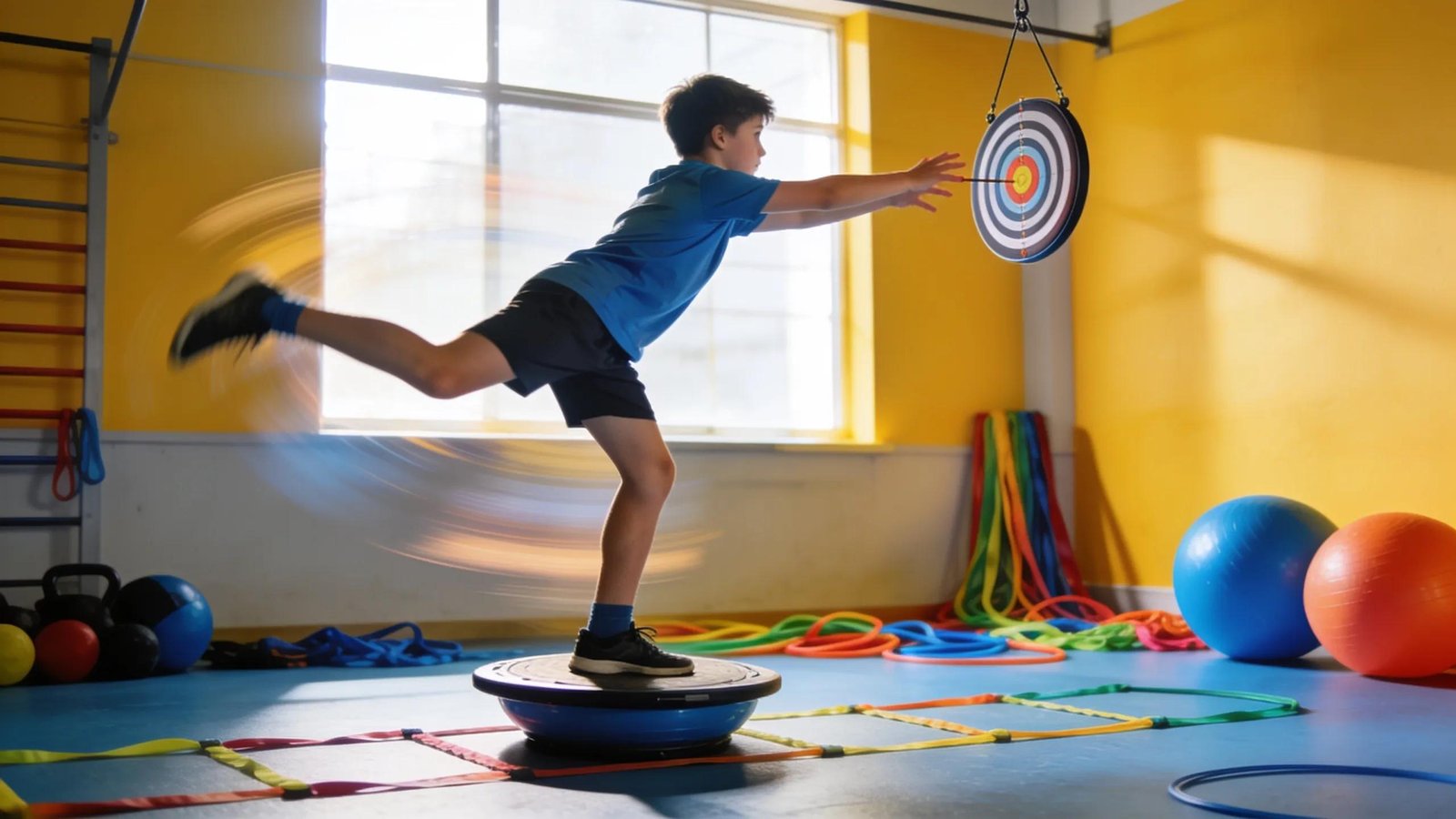
Some key rehabilitation exercises recommended include:
- Strengthening Exercises: These help build muscle around the injured area, providing better support and reducing injury risk.
- Balance and Coordination Drills: Such exercises improve proprioception and stability, crucial for athletes returning to their sport.
- Flexibility Training: Stretching and range-of-motion exercises prevent stiffness and promote mobility.
These targeted exercises are essential for restoring function and ensuring a safe return to sports.
How Do Tailored Exercise Programs Accelerate Healing and Reduce Re-Injury Risk?
Tailored exercise programs developed by physiotherapists are designed to meet the unique needs of each patient. By focusing on specific weaknesses and functional deficiencies, physiotherapy can expedite the healing process. Over time, with consistent adherence to the recommended exercises, individuals can achieve better recovery outcomes and lower the chance of future injuries.
How Can Patients Access Lisburn Physiotherapy Services for Sports Injury Rehabilitation?
Accessing physiotherapy services is straightforward and emphasises patient-centered care to ensure optimal recovery paths. Active Therapy Clinic in Lisburn offers various rehabilitation programs tailored to individual injury profiles.
What Is the Process to Book an Appointment with Active Therapy Clinic?
Booking an appointment with Active Therapy Clinic is simple. Interested patients can call at 028 3834 1110 to schedule their initial assessment. During this assessment, physiotherapists will evaluate the specific needs of the individual, leading to an effective treatment plan tailored to recovery objectives.
What Should Patients Expect During Their Initial Physiotherapy Assessment?
Patients can expect a comprehensive initial assessment during their first visit. This assessment typically involves discussing their medical history, undergoing physical evaluations, and determining their specific rehabilitation needs. These steps are crucial for developing an appropriate and effective treatment plan that fosters a successful recovery journey.
Comprehensive Guide to Top 5 Sports Injuries Rehabilitation in Lisburn
The following sections offer an in-depth analysis of five commonly encountered sports injuries — ACL/Knee Sprains, Achilles Tendinopathy, Plantar Fasciitis, Rotator Cuff Strains, and Lower Back Muscle Strains — highlighting symptomatology, clinical assessment, rehabilitation protocols, exercise routines, in-clinic modalities, and FAQs. This comprehensive resource supports athletes and active individuals seeking expert care at Active Therapy Clinic Lisburn.
1. ACL/Knee Sprains
Specific Symptoms, Biomechanical Causes, and Common Triggers
Anterior cruciate ligament (ACL) and other knee sprains result from trauma or overstretching of ligaments stabilizing the knee joint. Symptoms include intense pain, swelling, instability or ‘giving way’ of the knee, and difficulty bearing weight. Biomechanical causes frequently involve sudden twists, pivots, or deceleration movements, common in sports like football, basketball, and rugby. Poor landing mechanics, muscle imbalances, and inadequate warm-up can also trigger injury.
Clinical Assessment & Diagnostic Approach at Active Therapy Clinic Lisburn
The clinical assessment involves a detailed patient history, inspection for swelling and bruising, palpation, and specific ligament stress tests such as the Lachman and anterior drawer tests. Where necessary, referral for diagnostic imaging like MRI is arranged to confirm ligament integrity and associated injuries.
Detailed Multi-Phase Rehabilitation Protocol
- Acute Phase: Focus on controlling pain and swelling via rest, ice therapy, compression, elevation, and gentle isometric muscle activation.
- Sub-acute Phase: Begin controlled joint mobilizations, soft tissue release, and range-of-motion exercises to restore mobility.
- Strengthening Phase: Progressive loading through closed kinetic chain exercises, proprioceptive training, and resistance strengthening targeting quadriceps, hamstrings, and hip stabilizers.
- Sport-Specific Return-to-Play Phase: Simulated sport drills, agility and plyometric training, and neuromuscular control drills tailored to individual goals.
Step-by-Step Therapeutic Exercise Guides and Home Rehabilitation Routines
- Straight leg raises to activate quadriceps without knee stress.
- Heel slides to improve knee flexion.
- Mini squats progressing to full squats under supervision.
- Balance board exercises to enhance proprioception.
- Step-ups and lateral hops for dynamic strengthening.
In-Clinic Modalities Used
- Manual therapy focusing on joint mobilization and soft tissue release.
- Sports massage to reduce muscle tension and promote circulation.
- Dry needling for trigger point release.
- Compression therapy to control swelling.
2. Achilles Tendinopathy
Specific Symptoms, Biomechanical Causes, and Common Triggers
Achilles tendinopathy involves pain at the back of the ankle and lower calf, commonly aggravated by activity. Causes include repetitive overloading, poor calf flexibility, sudden increases in training intensity, incorrect footwear, and biomechanical abnormalities like overpronation.
Clinical Assessment & Diagnostic Approach at Active Therapy Clinic Lisburn
Assessment includes palpation for tenderness and thickening along the tendon, functional tests such as the single-leg heel raise, and ultrasound imaging to assess tendon structure.
Detailed Multi-Phase Rehabilitation Protocol
- Acute Phase: Relative rest, ice application, and reduction of aggravating activities.
- Sub-acute Phase: Begin gentle eccentric calf stretching and soft tissue techniques.
- Strengthening Phase: Implement progressive loading with eccentric and isometric calf exercises on varied surfaces.
- Sport-Specific Return-to-Play Phase: Plyometric drills, running technique correction, and load management strategies.
Step-by-Step Therapeutic Exercise Guides and Home Rehabilitation Routines
- Seated calf stretches using a towel or band.
- Eccentric heel drops off a step, performed slowly with control.
- Isometric calf contractions holding for 45 seconds.
- Progress to single-leg heel raises and hopping exercises as tolerated.
In-Clinic Modalities Used
- Electrotherapy including ultrasound to promote tendon healing.
- Manual soft tissue mobilization.
- Kinesio taping to reduce strain on the tendon.
- Sports massage for calf muscle relaxation.
3. Plantar Fasciitis
Specific Symptoms, Biomechanical Causes, and Common Triggers
Plantar fasciitis causes sharp heel pain, especially noticeable with first steps in the morning or after rest. The plantar fascia becomes irritated due to excessive loading, poor foot mechanics, tight calf muscles, or inadequate footwear.
Clinical Assessment & Diagnostic Approach at Active Therapy Clinic Lisburn
Assessment includes identifying tenderness along the plantar fascia origin, assessing foot posture, calf muscle flexibility, and gait. Imaging is rarely needed unless diagnosis is uncertain.
Detailed Multi-Phase Rehabilitation Protocol
- Acute Phase: Activity modification, ice massage to reduce inflammation.
- Sub-acute Phase: Soft tissue mobilization, stretching of plantar fascia and calf muscles.
- Strengthening Phase: Intrinsic foot muscle strengthening, balance training.
- Sport-Specific Return-to-Play Phase: Gradual load increase, proprioceptive exercises, and footwear advice.
Step-by-Step Therapeutic Exercise Guides and Home Rehabilitation Routines
- Plantar fascia stretches using a towel around the toes.
- Calf stretches against the wall.
- Toe curls picking up marbles or towel scrunches.
- Balance exercises standing on one foot.
In-Clinic Modalities Used
- Manual therapy including plantar fascia release.
- Dry needling for trigger point release.
- Compression therapy to reduce swelling.
- Electrotherapy to aid tissue repair.
4. Rotator Cuff Strains
Specific Symptoms, Biomechanical Causes, and Common Triggers
Rotator cuff strains involve pain on the shoulder’s outer portion and weakness in arm elevation or rotation. Causes include repetitive overhead activities, poor posture, muscle imbalances, or acute trauma.
Clinical Assessment & Diagnostic Approach at Active Therapy Clinic Lisburn
Examination involves pain provocation tests (e.g., Hawkins-Kennedy), strength and range of motion assessments, and possibly ultrasound or MRI for confirmed diagnosis.
Detailed Multi-Phase Rehabilitation Protocol
- Acute Phase: Pain management with rest, ice, and anti-inflammatory advice.
- Sub-acute Phase: Gentle range of motion exercises and soft tissue mobilisation.
- Strengthening Phase: Progressive resistance exercises for rotator cuff muscles and scapular stabilizers.
- Sport-Specific Return-to-Play Phase: Plyometric training, throwing or overhead drills tailored to sports.
Step-by-Step Therapeutic Exercise Guides and Home Rehabilitation Routines
- Pendulum shoulder exercises to promote mobility.
- Isometric shoulder external and internal rotation holds.
- Theraband resistance exercises for rotator cuff strengthening.
- Scapular stabilization drills.
In-Clinic Modalities Used
- Manual therapy including soft tissue release and joint mobilization.
- Dry needling for muscle tension relief.
- Sports massage to reduce muscular tightness.
- Electrotherapy to support tissue healing.
5. Lower Back Muscle Strains
Specific Symptoms, Biomechanical Causes, and Common Triggers
Lower back muscle strains manifest as localized pain, stiffness, and limited movement following overexertion, awkward lifting, or sudden movements. Poor core stability and posture contribute significantly.
Clinical Assessment & Diagnostic Approach at Active Therapy Clinic Lisburn
Assessment includes inspection for muscle spasm, palpation, range of motion tests, and neurological screening to rule out nerve involvement. Imaging is reserved for complex cases.
Detailed Multi-Phase Rehabilitation Protocol
- Acute Phase: Pain control via rest, modalities like heat or ice, and gentle mobilisation.
- Sub-acute Phase: Soft tissue release, stretching, and gentle core activation exercises.
- Strengthening Phase: Progressive core and lumbar strengthening, postural correction.
- Sport-Specific Return-to-Play Phase: Functional movement training, sport-specific drills focused on safe mechanics.
Step-by-Step Therapeutic Exercise Guides and Home Rehabilitation Routines
- Pelvic tilts and bridges to activate core muscles.
- Cat-camel stretches to improve spinal mobility.
- Bird-dog exercises for lumbar stability.
- Progressive lifting and movement drills under guidance.
In-Clinic Modalities Used
- Manual therapy including soft tissue mobilisation and spinal mobilisation.
- Sports massage to ease muscle tightness.
- Dry needling to release myofascial trigger points.
- Compression therapy as indicated.
Comprehensive FAQ Section
How Long Does It Take to Return to Sport After These Injuries?
Return-to-sport timelines vary depending on injury severity, individual healing response, and adherence to rehabilitation. Generally, mild ankle sprains may require 4-6 weeks, ACL injuries approximately 6-9 months with structured rehab, Achilles tendinopathy can improve in 3-6 months, plantar fasciitis in 2-4 months, rotator cuff strains 6-12 weeks, and lower back strains a few weeks to months. Your physiotherapist will provide personalised guidance.
What Are Some Key Tips to Prevent Sports Injuries?
- Warm-up and cool-down thoroughly before and after activity.
- Engage in regular strength and flexibility training.
- Use appropriate footwear and equipment.
- Gradually increase training intensity and volume.
- Maintain proper technique and body mechanics.
- Rest adequately to allow recovery.
How Can I Book a Consultation at Active Therapy Clinic Lisburn?
You can easily book a consultation by calling 028 3834 1110. Our expert physiotherapists will conduct a thorough initial assessment and tailor an individualised treatment plan to support your safe and effective recovery.
Start Your Recovery Journey Today with Active Therapy Clinic Lisburn
Don’t let a sports injury hold you back. Contact Active Therapy Clinic to receive expert assessment and personalised physiotherapy care geared towards getting you back in the game stronger than ever.