Sports Injury Rehabilitation Services in Northern Ireland
ð Book Online via JaneApp (Lisburn Clinic)ð Book Online via JaneApp (Lurgan Clinic)ð Book Online via JaneApp (Lisburn Clinic)ð Book Online via JaneApp (Lurgan Clinic)
Book Your Appointment Online
Choose your preferred clinic for expert sports injury rehabilitation services.
Sports Injury Rehabilitation Services in Northern Ireland
By Active Therapy, Active Therapy Clinic
Sports injuries can significantly impact an athlete’s performance and overall well-being, leading to frustration and prolonged recovery times. Understanding the rehabilitation process is essential to effectively manage these injuries, allowing athletes to return to their sporting activities stronger and more resilient. In this article, we will delve into various aspects of sports injury rehabilitation services available in Northern Ireland, including the types of services offered, the rehabilitation process, common athletic injuries, individualized treatment modalities, sports-specific rehab protocols, and preventative measures. By exploring these topics, readers will gain insights into effective recovery strategies and the importance of tailored rehabilitation programs.
Types of Services Offered:
Sports injury rehabilitation encompasses a range of specialized services aimed at aiding recovery and enhancing performance. In Northern Ireland, various clinics provide comprehensive rehabilitation solutions to address the specific needs of athletes. Key services include:
- Sports Physiotherapy: This involves specialized care for sports injuries, which includes detailed assessments, tailored treatment plans, and ongoing support to facilitate recovery and optimise performance.
- Rehabilitation Programs: Customised plans designed to address individual injuries and recovery goals, focusing on restoring function and enhancing athletic capabilities.
- Injury Prevention Techniques: Strategies and training designed to minimise the risk of future injuries, such as strength training, flexibility exercises, and proper mechanics training.
Sports Physiotherapy
Sports physiotherapy focuses on the assessment, diagnosis, and treatment of sports-related injuries. Through a thorough evaluation, physiotherapists develop individualized treatment plans. This approach emphasises manual therapy, exercise prescription, and education to ensure optimal recovery and performance.
Rehabilitation Programs
Rehabilitation programs are customised plans structured to meet the specific needs of each patient. These programs incorporate various components, including exercise therapy, manual therapy, and strength training, to facilitate a holistic recovery process. Tailored approaches help develop the necessary skills to return to sport safely and effectively.
Rehabilitation Process:
The rehabilitation process is a crucial element in recovery from sports injuries and involves multiple stages to ensure comprehensive healing. Initially, an assessment is conducted to understand the nature of the injury and its impact on physical function. This leads to the development of a treatment plan tailored to the individual’s specific needs and goals. Continuous monitoring of progress is essential, allowing for adjustments in the rehabilitation strategy as required.
Integrating the right rehabilitation services is key. The Active Therapy Clinic specializes in creating tailored rehabilitation programs designed to restore function, improve recovery timelines, and reduce injury recurrence for athletic individuals.
Common Athletic Injuries
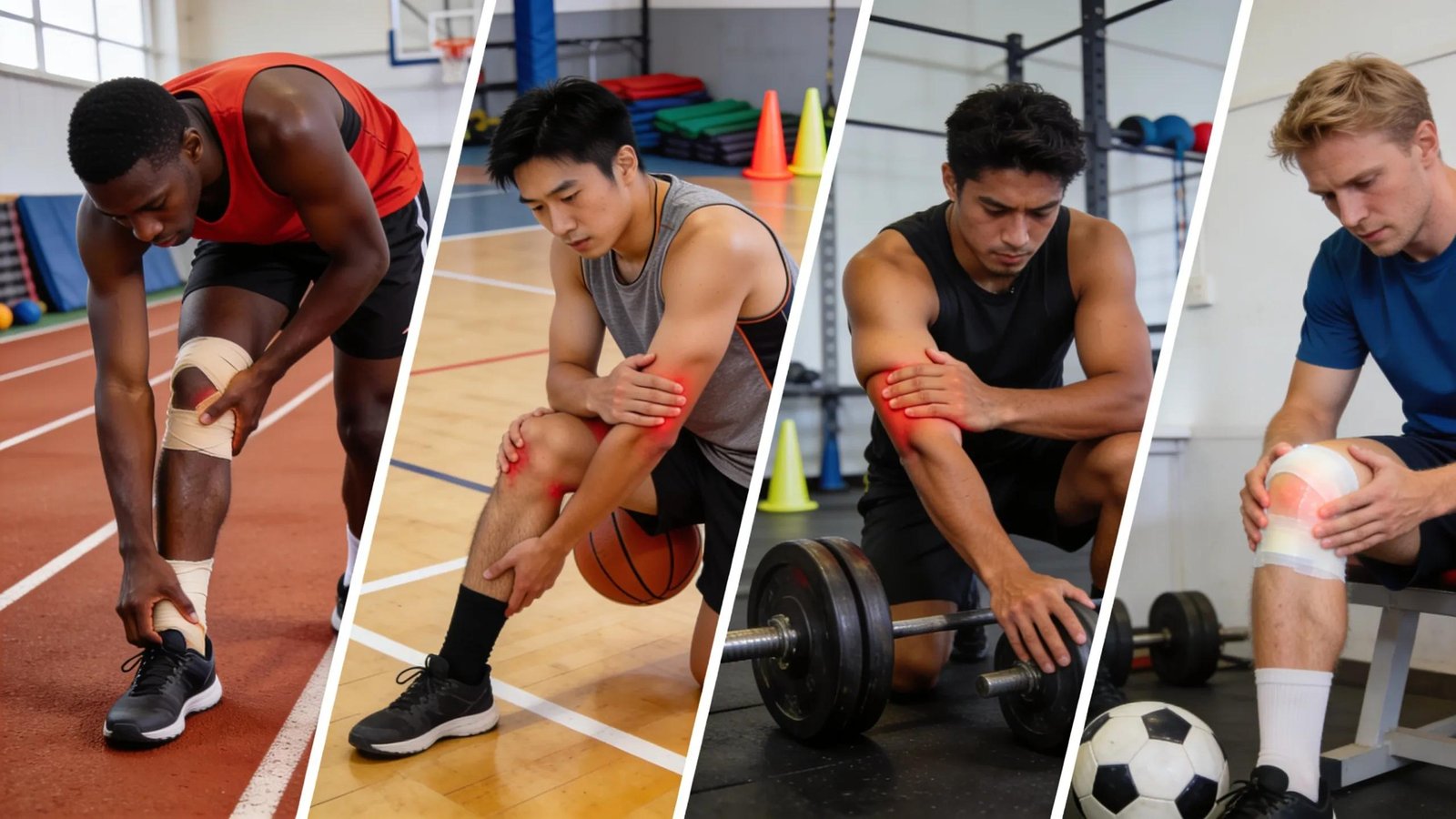
Athletes often face various injuries due to the demanding nature of their sports. Some common athletic injuries include:
- Ankle Sprains: Often occurring during sudden changes in direction, these injuries can severely affect mobility and performance.
- Muscle Strains: Resulting from overstretching or excessive force, strains can involve significant pain and require targeted rehabilitation.
- Tendinitis: Chronic overuse leads to inflammation of tendons, necessitating a careful rehabilitation approach to relieve pain and restore function.
Individualised Treatment Modalities
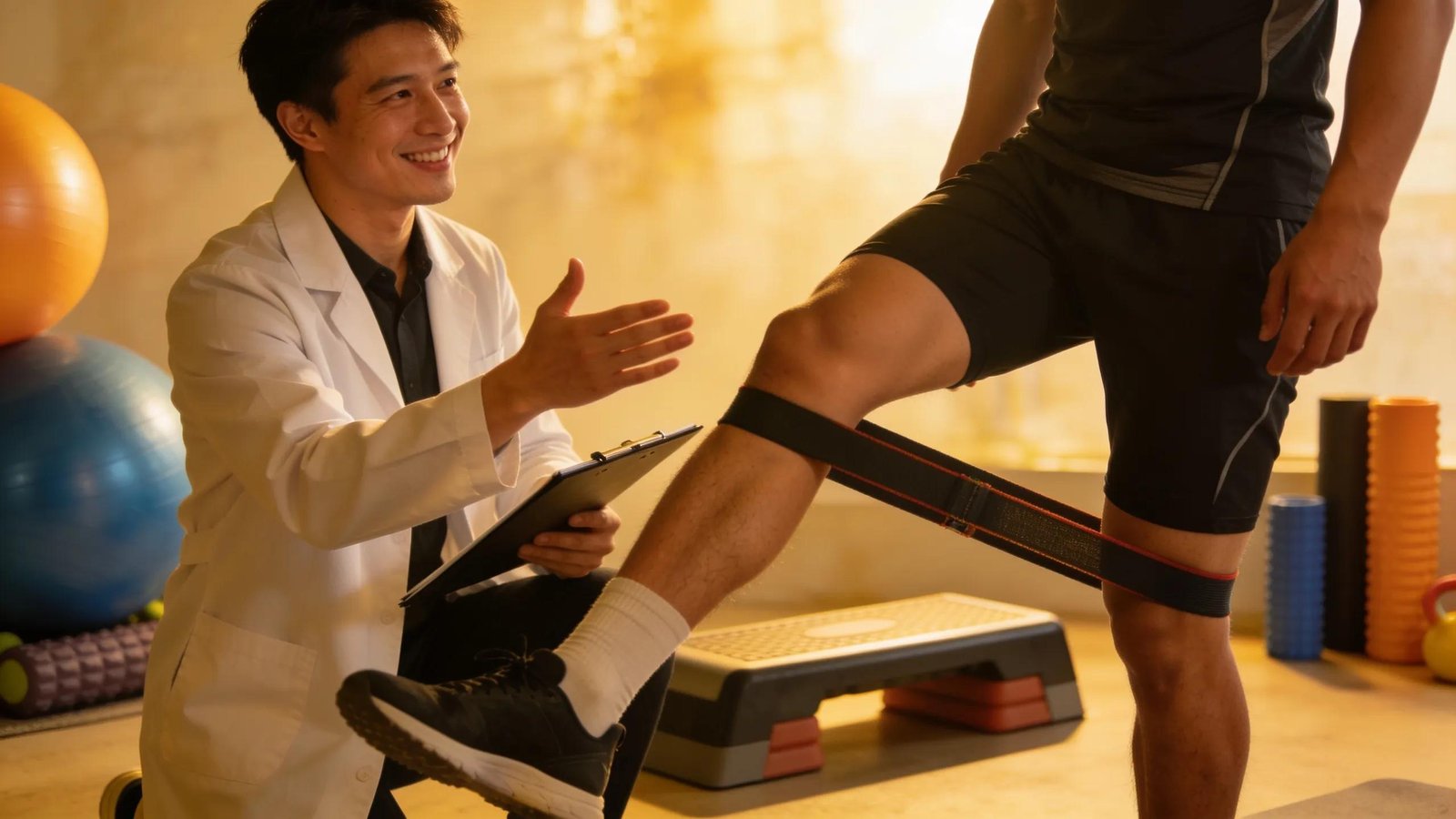
In sports rehabilitation, various treatment modalities are tailored to ensure effective recovery. Treatment options may include:
- Strength Training and Flexibility Exercises: These are vital for restoring muscle function and improving overall physical capabilities.
- Functional Movement Training: Aims to enhance coordination and balance, essential for an athlete’s performance.
- Rehabilitation Timelines: Defined success metrics to gauge recovery, with timelines varying based on injury type and severity.
Sports-Specific Rehab Protocols
Tailoring rehabilitation protocols to specific sports can significantly enhance recovery effectiveness. Each sport has its unique demands, and rehabilitation should address these specific needs. This involves developing protocols that utilize techniques and exercises relevant to the sport, ensuring that athletes regain competence and confidence in their abilities.
Prevention
To minimise the risk of sports injuries, preventative strategies are crucial. Effective prevention strategies include:
- Risk Factor Assessments: Understanding individual risk factors helps formulate tailored interventions.
- Strength Training and Flexibility: Enhancing overall physicality can reduce the likelihood of injuries occurring during intense training or competitions.
- Education on Injury Prevention: Increasing awareness regarding best practices can empower athletes to maintain their health and athletic longevity.
Implementing these preventative measures supports athletes in reducing injury risks and enhancing their training outcomes. Through focused education and training strategies, athletes can pursue their passions with greater confidence and a lower chance of injury.
Book Your Appointment Online
Schedule your rehabilitation sessions conveniently from home.