
Rotator Cuff Injury Rehabilitation in Northern Ireland
Rotator cuff injuries involve damage to the tendons. Muscles surrounding the shoulder, requiring rest during the acute phase followed by gradual exercise. Active Therapy Clinic’s Chartered, HCPC-registered physiotherapists across Lurgan and Lisburn deliver evidence-based rehabilitation, with appointments available six days weekly, including until 9:00pm Monday, Tuesday, Thursday and Friday.
Rotator cuff injuries cause shoulder pain, weakness, and night discomfort affecting overhead movement in Northern Ireland patients and athletes. Active Therapy Clinic, serving Lurgan and Lisburn, delivers evidence-based assessment. Rehabilitation through HCPC and CSP Chartered physiotherapists, offering same-week appointments and 17+ years of award-winning experience treating tendon and muscle damage around the shoulder.
What Is a Rotator Cuff Injury?
The rotator cuff consists of a group of muscles and tendons surrounding the shoulder joint. This structure keeps the shoulder stable while allowing a full range of overhead and rotational movement. Damage to any part of this system qualifies as a rotator cuff injury, whether from a single traumatic event or from months of gradual overuse on a job site or sports field across Northern Ireland.
Tendons function like flexible, strong cords, connecting muscle to bone. That design makes them prone to strain, fraying, and eventually tearing when stressed repeatedly or loaded too heavily. Farmers, tradespeople, and athletes throughout Northern Ireland regularly place these tendons under exactly this kind of repeated strain.
The term covers a wide spectrum of tissue damage, not one single condition. Clinicians sometimes call it “rotator cuff syndrome” because the tissues involved, muscles, tendons, and connective structures, can be affected together or separately.
Which structures does a rotator cuff injury actually affect?
Damage can involve any of the tendons or muscles surrounding the shoulder bones. Common patterns include:
- Tendon inflammation from repetitive overhead motion
- Partial fraying of tendon fibers under chronic load
- Complete tears following a fall or sudden pull
- Muscle weakness accompanying long-standing tendon damage
Why does this matter for recovery in Northern Ireland?
Because the rotator cuff covers a range of possible tissue damage, no two shoulders present identically. Effective shoulder pain physiotherapy in Lurgan and Lisburn depends on identifying which structure is compromised before building a recovery plan. A precise diagnosis shapes every stage of rotator cuff tear treatment. It underpins reliable rotator cuff injury rehabilitation across Northern Ireland, from early pain management through to restoring full overhead strength.

What Causes Shoulder Pain and Rotator Cuff Tears?
Shoulder pain in Northern Ireland patients often traces back to damage in the group of tendons. Muscles that stabilize the joint, known clinically as the rotator cuff. Rotator cuff injury is a broad term covering any harm to these tissues, ranging from gradual wear to a sudden, acute tear. Some patients notice symptoms build slowly over months. Others feel a sharp tear during a single elevator or fall.
Overhead work and sport account for a large share of the strain seen in clinical assessments. Reaching above shoulder height repeatedly, whether painting a ceiling, stacking shelves, or bowling in cricket, places sustained load on the cuff tendons. This pattern of aggravation is well recognized: activities involving reaching overhead are specifically flagged for modification during recovery, with usual activity resumed gradually as pain allows.
Rotator cuff tear treatment decisions depend heavily on how the injury developed and how severe it has become.
Does a Rotator Cuff Tear Always Need Surgery?
Not always. Many rotator cuff injuries respond to structured rehabilitation and activity modification without an operation. Surgery becomes a consideration when tears are severe, symptoms persist despite conservative care, or function remains significantly limited. Recovery, with or without surgery, typically requires dedicated rehabilitation to restore strength and movement.
Who Gets Rotator Cuff Disorders?
Clinical guidance for managing rotator cuff disorders applies from age 16 onward, meaning both younger athletes and older adults across Northern Ireland fall within its scope. Common contributing factors include:
- Repetitive overhead movement at work or in sport
- Sudden traumatic injury, such as a fall onto an outstretched arm
- Gradual tendon degeneration associated with aging
- Poor shoulder mechanics or muscular imbalance
Active Therapy Clinic assesses each of these patterns individually rather than applying a one-size-fits-all protocol. The underlying cause shapes the most effective shoulder pain physiotherapy approach.
How Is a Rotator Cuff Injury Diagnosed?
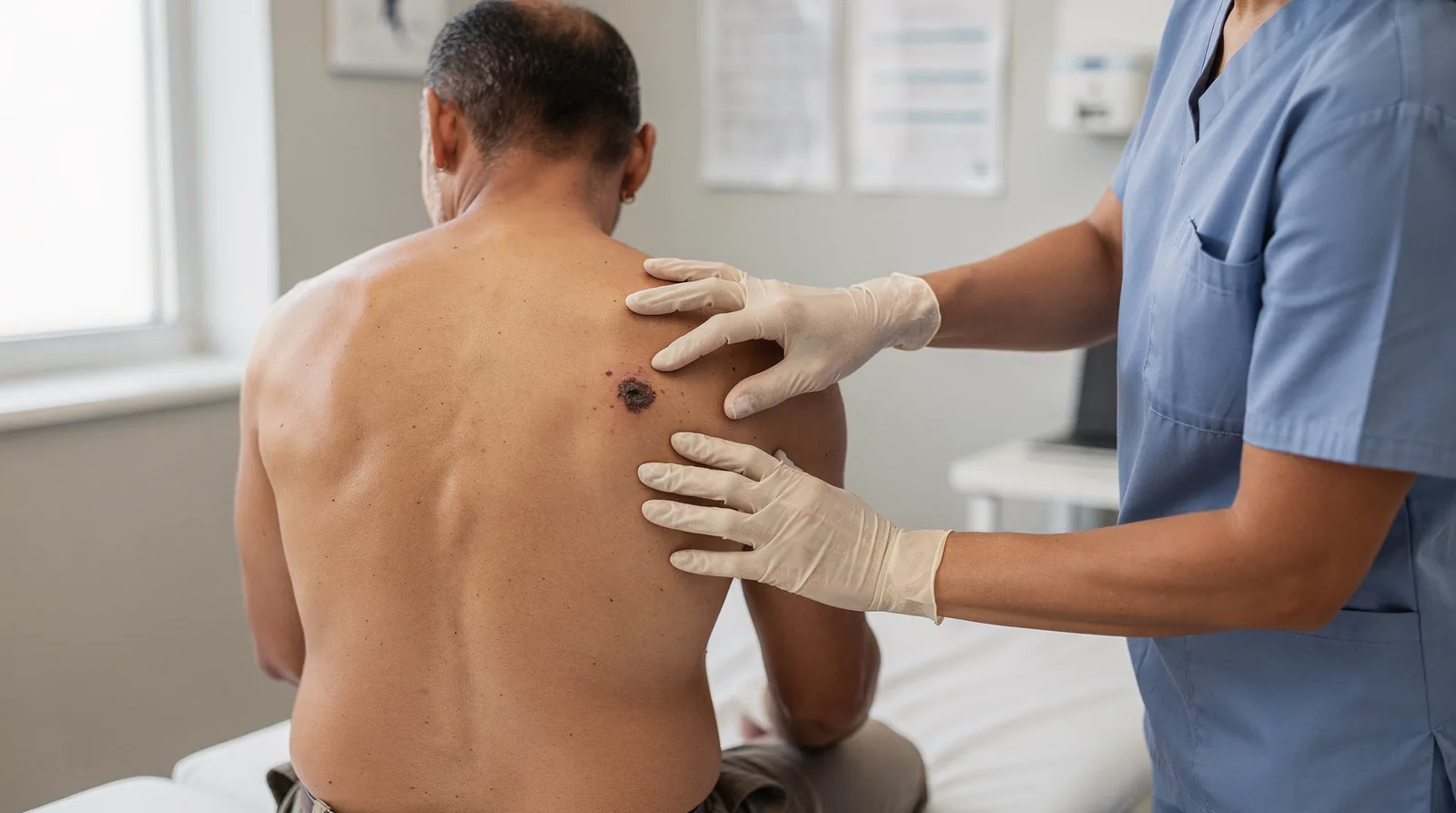
Diagnosis starts with a structured clinical assessment, not guesswork. A qualified physiotherapist examines shoulder movement, strength, and pain patterns to identify which tendons or muscles are affected. For patients across Northern Ireland searching for reliable rotator cuff injury rehabilitation northern ireland options, this assessment stage determines everything that follows in a recovery plan.
Clinical practice guidelines for rotator cuff injuries rest on formal systematic reviews of scientific and clinical evidence, rather than opinion or trend. This matters for patients in Belfast, Derry, Newry, or Armagh weighing treatment choices. Evidence-based frameworks reduce the risk of unnecessary procedures or delayed recovery. Reputable clinical resources compile the most current research on rotator cuff injury specifically to support these conversations between patient and provider.
No two shoulders present identically. Guidelines exist as a framework for decision-making, not a rigid script that ignores individual variation in age, activity level, or injury severity. A rugby player with a traumatic tear needs a different assessment pathway than an office worker with gradual overuse symptoms.
What Does a Shoulder Assessment Actually Involve?
A thorough evaluation typically covers several areas:
- Range of motion testing to detect stiffness or compensatory movement patterns
- Strength testing against resistance to isolate weak or torn tendons
- Palpation to locate tenderness and inflammation
- Functional movement screening for overhead, reaching, and lifting tasks
- History review, including night pain patterns and prior injury
At Active Therapy Clinic, this evaluation forms the foundation for shoulder pain physiotherapy lurgan lisburn patients rely on before any rotator cuff tear treatment plan gets built. Assessment is carried out by Chartered. HCPC-registered physiotherapists trained specifically in musculoskeletal evaluation, giving patients across Northern Ireland access to clinically grounded diagnostic care close to home.
What Warning Signs Need Clinical Assessment?
Persistent shoulder pain that lingers beyond a few days signals a possible rotator cuff tear treatment need rather than a passing strain. Ongoing discomfort deserves clinical review. The BMJ notes that these injuries can be painful and may require treatment, and occasionally surgery, to achieve full recovery. Patients across Northern Ireland who notice pain settling into the shoulder rather than easing should treat that persistence as a signal, not a nuisance to ignore.
How does pain behavior indicate a rotator cuff problem?
Pain that intensifies specifically during overhead reaching, such as lifting items to a high shelf or reaching behind the back, points toward rotator cuff involvement. Clinical guidance recommends modifying activities that provoke this pattern while keeping usual movement going within comfortable limits. This balance matters: complete inactivity slows recovery, while ignoring the pain signal risks further tissue strain.
Should shoulder pain be rested or kept moving?
Both, depending on timing. In the acute phase, immediately after pain onset or injury, rest takes priority to calm irritated tissue. Once that early stage passes, gradual reintroduction of activity becomes the priority, restarting usual tasks as soon as pain allows.
Warning signs warranting professional evaluation include:
- Shoulder pain lasting more than a few days without improvement
- Weakness or catching when lifting the arm overhead
- Pain that disturbs sleep or worsens at night
- Reduced range of motion compared to the unaffected shoulder
- Pain that flares consistently with specific movements, such as reaching or lifting
Shoulder pain physiotherapy Lurgan Lisburn services assess these patterns to distinguish a manageable strain from a more significant tear requiring structured rotator cuff injury rehabilitation Northern Ireland care, guiding patients through the shift from rest to graded activity safely.
How Should Rotator Cuff Injuries Be Managed?
Effective management combines several strategies rather than relying on one fix. Clinicians typically weigh four options: rest, exercise or physiotherapy, corticosteroid injection, and referral to intermediate or secondary care when symptoms persist. Northern Ireland patients dealing with shoulder pain physiotherapy lurgan lisburn appointments often benefit most when these approaches are combined rather than used in isolation.
A shared decision-making process should anchor the treatment plan. Clinicians and patients agree on goals together, weighing daily function, sport demands, and pain tolerance before settling on a course of action. This collaborative approach matters particularly for athletes. Active individuals across Northern Ireland who need rehabilitation that respects training schedules and competitive timelines.
What role does pain relief play in recovery?
Analgesia supports comfort while the shoulder heals but does not replace structured rehabilitation. Paracetamol is generally considered first line, and dosing it regularly produces better results than taking it only when pain flares. Regular use helps patients stay engaged in exercise programs without pain becoming a barrier to movement.
Is a corticosteroid injection ever necessary?
Corticosteroid injection remains one option considered alongside physiotherapy, not a standalone cure. It can reduce inflammation enough to let structured exercise progress more comfortably. Many patients find injections most useful when paired with a guided rotator cuff injury rehabilitation northern ireland program rather than used alone.
Deciding on the right rotator cuff tear treatment pathway depends on symptom severity, activity goals, and response to initial care. Patients across Lurgan, Lisburn, and surrounding areas can access physiotherapist-led assessment to determine which combination of these strategies fits their recovery.
What Does Evidence-Based Rehabilitation Involve?
Evidence-based rehabilitation combines hands-on manual therapy with exercise protocols validated by clinical research, rather than generic stretching routines. Patients across Northern Ireland who delay proper assessment risk stiffness, muscle weakness, and setbacks that turn a manageable injury into a chronic problem. Structured, staged care shortens that path considerably.
Clinical practice guidelines for rotator cuff injuries, developed through systematic review of available scientific and clinical evidence, form the backbone of sound treatment decisions. This grounding matters because shoulder injuries respond poorly to guesswork. A physiotherapist trained in rotator cuff injury rehabilitation northern ireland patients can trust draws on this same evidence base rather than improvising.
Recovery typically unfolds in phases, not as a single fixed program.
How Does Rehabilitation Progress After a Rotator Cuff Injury?
Rest during the acute phase comes first, allowing inflammation to settle before loading resumes. Activity is then gradually increased, with exercises building strength and range of motion in careful stages. Rushing this sequence, or skipping it entirely, often prolongs pain and delays return to sport or daily tasks.
Chartered physiotherapists build individualized rehabilitation plans around this staged approach, pairing manual therapy with exercises chosen for the patient’s specific tear pattern and function goals. Active Therapy Clinic structures shoulder pain physiotherapy lurgan lisburn patients receive around this same principle: assess first, treat hands-on, then progress load systematically toward pain-free movement.
What Makes Rotator Cuff Tear Treatment Effective Long Term?
Effective rotator cuff tear treatment targets function, not just symptom relief. The goal is optimizing how the shoulder performs, whether for competitive sport, manual work, or everyday reaching and lifting.
Northern Ireland patients comparing providers should look for:
- A documented assessment process before treatment begins
- Manual therapy paired with progressive, evidence-based exercise
- Clear staging from rest through to loaded, functional movement
- Rehabilitation aimed at long-term mobility, not short-term pain masking
Active Therapy Clinic applies this framework as Northern Ireland’s leading award-winning clinic, focusing every plan on restoring lasting shoulder function.
How Do You Choose a Physiotherapy Clinic?
Credentials matter most. A clinic staffed by Chartered and HCPC-registered physiotherapists signals regulated, qualified care rather than informal treatment. For shoulder pain across Northern Ireland, that registration provides a baseline of trust that patients should verify before booking any consultation.
Range of treatment matters just as much as credentials. Shoulder problems rarely exist in isolation; tendonitis, joint arthritis, and post-surgical stiffness often overlap with rotator cuff symptoms. A clinic equipped to manage these related conditions, not just isolated shoulder complaints, delivers more consistent outcomes for complex cases.
What Should Patients Look for in Rotator Cuff Injury Rehabilitation Northern Ireland?
Patients searching for rotator cuff injury rehabilitation northern ireland should prioritize clinics offering customized recovery programs rather than one-size-fits-all exercise sheets. A tear that limits overhead reach or disrupts sleep needs a plan built around the individual’s specific movement deficits. Broader clinical capability, covering everything from post-surgical recovery to joint arthritis, suggests a team prepared for the full complexity of shoulder rehabilitation.
Timing counts too. Long waiting lists delay diagnosis and allow weakness or night pain to worsen. Same-week appointment availability, without extended queues, keeps early intervention realistic for patients seeking prompt shoulder pain physiotherapy lurgan lisburn access.
Reputation offers a final useful filter. A strong volume of five-star patient reviews, alongside recognition as a top-rated clinic in Northern Ireland, points toward a consistent track record rather than a single good experience.
How Does Active Therapy Clinic Compare on These Factors?
Active Therapy Clinic operates two Northern Ireland sites, in Lurgan and Lisburn, staffed by Chartered and HCPC-registered physiotherapists. The clinic treats tendonitis, joint arthritis, and post-surgical recovery alongside rotator cuff tear treatment, supporting patients with layered or long-standing shoulder issues. Same-week appointments reduce delays, and a base of over 450 five-star Google reviews reflects sustained patient satisfaction. The clinic’s core promise centers on personalized, evidence-based rehabilitation designed around each patient’s recovery goals.
Why Choose Active Therapy Clinic for Recovery?
Two premier sites, in Lurgan and Lisburn, position Active Therapy Clinic to serve patients recovering from shoulder injury across Northern Ireland. Award-winning recognition backs this reach, with HCPC and CSP Chartered specialists delivering the private care behind every rehabilitation plan. Patients traveling from surrounding towns gain access to the same clinical standard, regardless of which site fits their schedule.
Clinical skill alone does not build lasting recovery. Active Therapy Clinic integrates expertise with compassionate, patient-focused engagement, aiming for measurable improvement in both function and daily quality of life. That combination matters for anyone managing night pain or weakness on overhead reach, symptoms that affect sleep, work, and sport in equal measure.
What should patients look for in a shoulder physiotherapy provider?
Credentials come first: look for Chartered, HCPC-registered clinicians with experience managing tendon and joint injuries. Availability matters just as much, since delayed access to assessment often prolongs recovery. Consider these factors when comparing providers:
- Clinical credentials: Chartered and HCPC-registered physiotherapists with hands-on rehabilitation experience
- Site accessibility: multiple locations reduce travel burden for follow-up sessions
- Appointment flexibility: extended hours accommodate work and family commitments
- Recognition and track record: award-winning status signals sustained patient outcomes
Can appointments fit around a full work schedule?
Yes. Extended weekday hours and Saturday morning availability give patients room to schedule rehabilitation sessions without disrupting employment or family obligations. This flexibility proves valuable for athletes maintaining training loads and for working adults balancing recovery with daily responsibilities.
Start Your Recovery Journey at Active Therapy Clinic
In closing, rotator cuff injuries demand prompt, evidence-based intervention to restore shoulder function and prevent long-term complications. At Active Therapy Clinic, our Chartered and HCPC-registered physiotherapists deliver personalized rehabilitation programs grounded in clinical expertise and measurable outcomes. Whether you’re managing acute injury or chronic pain, our multidisciplinary team across our Lurgan and Lisburn sites provides the comprehensive care necessary to optimize your recovery and return you to the activities that matter most.