Expert Physiotherapy in Lisburn: Personalised Care for Injury Recovery and Mobility Restoration
ð Book Physiotherapy Online (Lisburn Clinic)ð Book Physiotherapy Online (Lurgan Clinic)ð Book Physiotherapy Online (Lisburn Clinic)ð Book Physiotherapy Online (Lurgan Clinic)
Book Your Physiotherapy Appointment Online
Conveniently schedule your visit with our clinics in Lisburn or Lurgan.
Expert Physiotherapy in Lisburn: Personalised Care for Injury Recovery and Mobility Restoration
Physiotherapy plays a crucial role in restoring physical function and improving the quality of life for individuals experiencing injuries, chronic pain, or mobility challenges. Active Therapy Clinic is dedicated to providing personalised care to those in Lisburn, combining expert techniques with holistic approaches to enhance recovery. Patients often seek physiotherapy services due to a range of concerns, from sports injuries to post-operative rehabilitation. This article explores the various physiotherapy services in Lisburn, the benefits of specific treatment modalities, and how our clinic supports patients through their recovery journeys.
In the following sections, we will delve into the specifics of our service offerings, rehabilitation techniques, and the benefits associated with manual therapy and sports massage. Additionally, we will provide insights on appointment booking and patient-centred care that enhance the overall treatment experience at Active Therapy Clinic.
What Physiotherapy Services Does Active Therapy Clinic Offer in Lisburn?
Active Therapy Clinic offers a comprehensive range of physiotherapy services tailored to meet the unique needs of each patient. Our offerings include manual therapy, injury rehabilitation, and specialised treatment for sports injuries. Each service is designed to address specific conditions and promote effective recovery.
- Manual Therapy: Our skilled physiotherapists utilise hands-on techniques to alleviate pain and improve mobility.
- Injury Rehabilitation: We focus on personalised rehabilitation plans that foster recovery from various injuries.
- Sports Injury Treatments: Tailored interventions aimed at athletes to enhance performance and expedite healing.
Our clinic strives to attract new patients by ensuring accessibility and flexibility in appointment scheduling, making it easier for individuals to access our expert care.
How Does Our Injury Rehabilitation Support Your Recovery?
Injury rehabilitation is essential for restoring function and preventing future injuries. Our physiotherapists employ a variety of techniques tailored to the specific needs of each patient. Rehabilitation programmes typically include exercise therapy, manual techniques, and education on injury prevention.
The expected outcomes from our rehabilitation approach include improved strength, endurance, and overall physical function. Many of our patients have reported significant improvements in their daily activities following tailored rehabilitation programmes.
What Are the Benefits of Manual Therapy for Musculoskeletal Conditions?
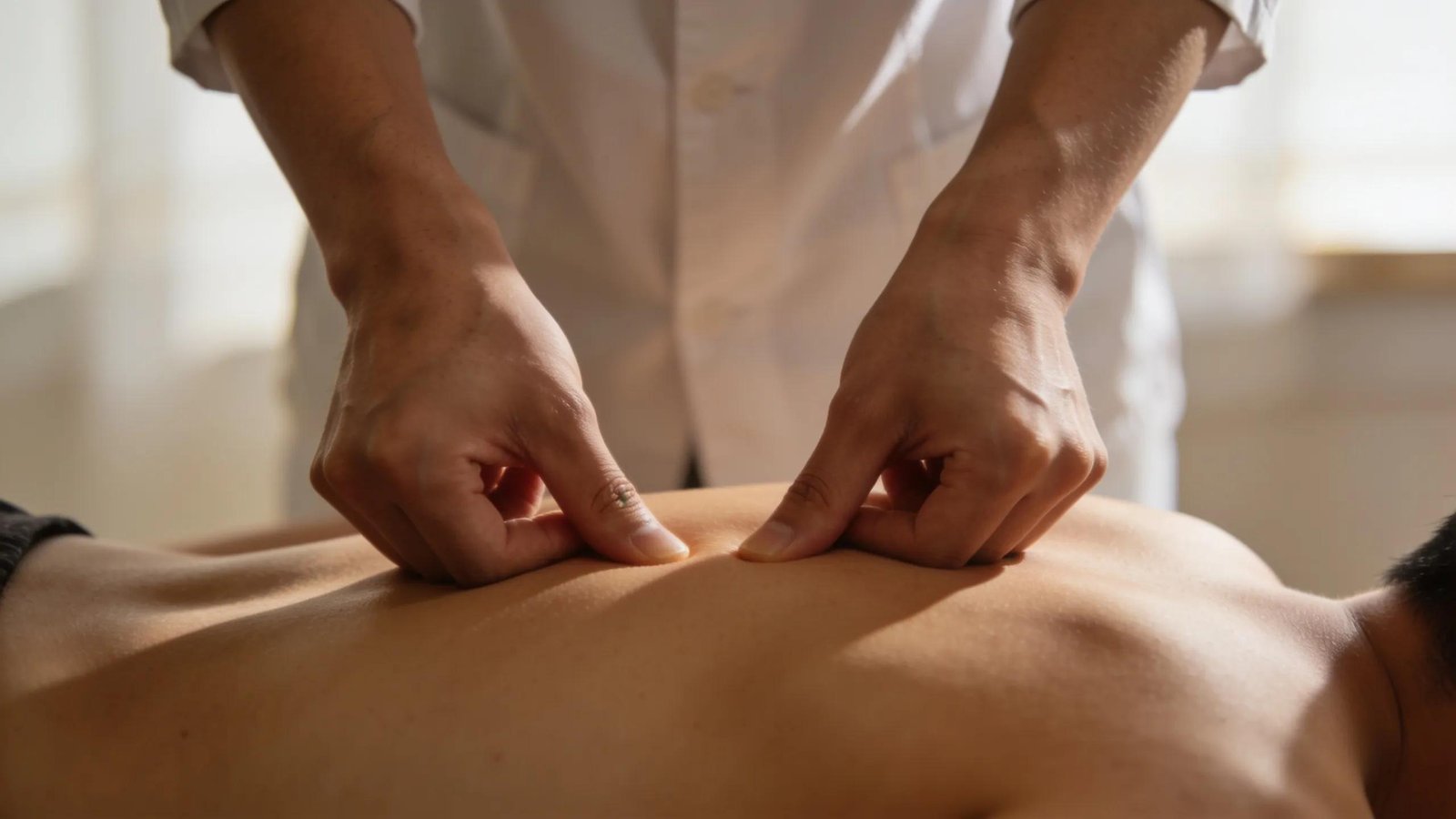
Manual therapy encompasses a range of techniques designed to relieve pain and improve tissue mobility. This form of therapy is particularly beneficial for musculoskeletal conditions, including back pain and joint stiffness.
The primary benefits of manual therapy include:
- Pain Relief: Reduces muscle tension and alleviates discomfort.
- Mobility Improvement: Enhances joint function and overall movement.
- Long-Term Outcomes: Supports ongoing physical health and prevents recurrence of symptoms.
Patients who engage in manual therapy often report enhanced quality of life and improved physical capabilities.
How Can Sports Injury Treatment in Lisburn Improve Your Performance and Healing?

Sports injury treatments are crucial for athletes not only for recovery but also for improving athletic performance. The approach combines rehabilitation strategies with preventive care to minimise the risk of future injuries.
Key considerations in this treatment include:
- Tailored Therapeutic Techniques: Each athlete receives individualised treatment based on their specific injury and performance goals.
- Expected Performance Improvements: Evidence suggests that timely intervention accelerates healing and enhances return-to-play capabilities.
- Successful Treatment Outcomes: Many athletes experience faster recovery times and improved performance metrics.
By focusing on the specific needs of athletes, our sports injury treatments facilitate both recovery and enhanced athletic performance.
Which Sports Injuries Do Our Physiotherapists Commonly Treat?
At Active Therapy Clinic, our physiotherapists are equipped to handle various sports injuries. Common injuries treated include:
- Sprains and Strains: Often arising from sudden movements or overexertion.
- Tendinitis: Inflammation of tendons caused by repetitive motion.
- Fractures: Treatment following recovery from initial medical care.
Our comprehensive approach ensures effective treatment pathways tailored to each patient’s needs.
What Techniques Enhance Sports Injury Recovery at Active Therapy Clinic?
Active Therapy Clinic utilises a variety of techniques to enhance recovery for sports injuries, including:
- Therapeutic Exercise: Designed to restore strength and flexibility.
- Cold Therapy: Applied to reduce inflammation and swelling post-injury.
- Ultrasound Therapy: Used for pain relief and tissue healing.
Patient feedback indicates that these techniques significantly improve recovery outcomes, allowing athletes to return to sport quicker and healthier.
What Does Posture Correction Therapy Involve at Active Therapy Clinic?
Posture correction therapy at Active Therapy Clinic focuses on redefining body mechanics to enhance overall body function. This treatment involves several critical components that help patients understand the importance of good posture for long-term health.
Why Is Postural Assessment Important for Long-Term Mobility?
Postural assessments are instrumental in identifying alignment issues that contribute to pain and dysfunction. Addressing these concerns early can lead to more effective interventions, ultimately supporting better movement patterns and reduced pain.
How Do Customised Exercises Support Posture Improvement?
Customised exercise programmes are developed based on individual assessments. These exercises are aimed at strengthening specific muscle groups while improving overall body awareness. Over time, patients often experience significant improvements in posture, comfort, and mobility.
How Can Patients Easily Book Physiotherapy Appointments in Lisburn?
Active Therapy Clinic offers several convenient options for patients to book appointments. We understand the importance of accessibility in healthcare, especially for those in need of timely treatment.
What Is the Process for Online Booking at Active Therapy Clinic?
Our online booking process is straightforward. Patients can:
- Visit our website: Navigate to the appointment section.
- Select a service: Choose the specific treatment needed.
- Fill out the booking form: Provide essential details for appointment setting.
This seamless process ensures that patients can secure appointments at their convenience, minimising delays in care.
What Should Patients Expect During Their First Physiotherapy Visit?
Patients attending their first physiotherapy visit can expect a thorough assessment. These initial consultations typically include:
- Detailed Medical History: Understanding previous injuries and treatments.
- Physical Assessment: Evaluating mobility, strength, and function.
- Personalised Treatment Plan: Discussing goals and outlining therapeutic strategies.
This foundational visit helps establish a collaborative relationship between the therapist and patient, enhancing overall treatment efficacy.
Why Choose Experienced Physiotherapists at Active Therapy Clinic in Lisburn?
The success of physiotherapy largely depends on the qualifications and experience of the therapists involved. At Active Therapy Clinic, our team comprises highly trained professionals dedicated to ongoing education and patient care.
What Qualifications and Awards Do Our Physiotherapists Hold?
Our physiotherapists possess diverse qualifications, including specialised certifications in manual therapy and sports rehabilitation, ensuring they are equipped to provide top-tier care.
How Does Patient-Centred Care Enhance Treatment Outcomes?
Patient-centred care focuses on the individual needs and preferences of each patient. By fostering open communication, we ensure that treatment plans align with patients’ goals and lifestyle, leading to enhanced satisfaction and outcomes.
What Common Questions Do Patients Have About Physiotherapy in Lisburn?
Understanding physiotherapy can alleviate concerns and encourage individuals to seek help. Common questions include:
- Can Physiotherapy Help With Chronic Pain and Mobility Issues?: Yes, physiotherapy offers targeted interventions that address both chronic pain and mobility limitations.
- How Long Do Typical Physiotherapy Sessions Last?: Sessions usually last between 30 minutes to 60 minutes, depending on individual needs.
These insights aim to demystify the process and empower more individuals in Lisburn to consider physiotherapy as a viable solution for their health concerns.
Book Your Physiotherapy Appointment Online
Conveniently schedule your visit with our clinics in Lisburn or Lurgan.