
Plantar Fasciitis Treatment Northern Ireland: Causes and Relief
Plantar fasciitis causes sharp heel pain from strain on the plantar fascia, worsened by poor foot biomechanics and faulty windlass mechanism function. Active Therapy Clinic, serving Northern Ireland from Lurgan and Lisburn, treats heel pain through HCPC-registered podiatry, physiotherapy, and shockwave therapy, offering same-week appointments and evidence-based rehabilitation for lasting recovery.
What Causes Plantar Fasciitis and Severe Heel Pain?
Heel pain develops when the plantar fascia, a thick band of tissue along the bottom of the foot, becomes strained or inflamed from repeated stress. Despite how frequently the condition appears among walkers, retail and warehouse workers, and runners across Northern Ireland, its underlying causes remain poorly understood, according to a plain English summary published in the Best practice guide for managing plantar heel pain (2022). That gap in understanding creates real problems for anyone trying to find lasting plantar fasciitis treatment Northern Ireland patients can trust.
Clinicians themselves disagree on the best path forward. Research on the windlass mechanism, a model describing how the plantar fascia tightens during walking, notes limited consensus among practitioners regarding which treatment actually works best. This disagreement leaves many sufferers cycling through remedies, from rest to stretching to over-the-counter insoles, without a clear framework guiding their choices.
Guidelines meant to steer treatment decisions fall short too. The 2022 best-practice review found that existing clinical guidance lacks clear, high-quality recommendations for managing plantar heel pain, drawing instead on published research, expert interviews, and survey data from people who have lived with the condition.
Why Does Heel Pain Get Worse If It’s Ignored?
Untreated heel pain rarely stays contained to the foot. Left unmanaged, it can indirectly cause long-term harm to a person’s physical and mental health, disrupting sleep, mobility, and daily routines. For workers standing on concrete floors or runners training on Northern Ireland’s roads. Trails, that ripple effect often means missed shifts and abandoned training goals.
What Makes an Accurate Diagnosis So Important?
Because guidelines remain inconsistent and causes are still debated, professional assessment matters more than guesswork. Skilled evaluation distinguishes plantar fasciitis from other sources of heel pain relief Lurgan Lisburn patients seek, ensuring the treatment plan addresses the actual problem rather than generic symptoms.
How Does the Windlass Mechanism Explain Heel Pain?
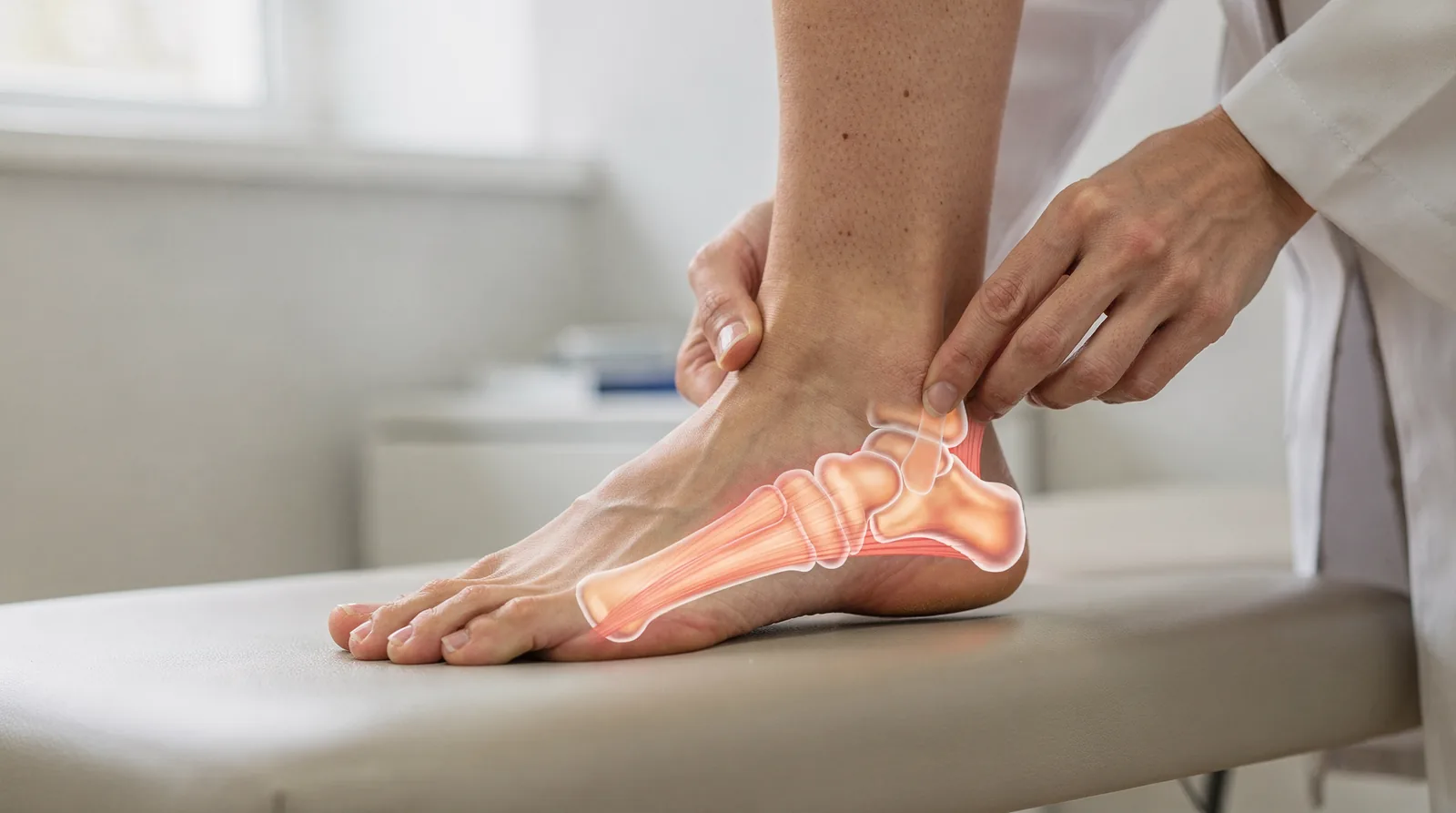
The windlass mechanism describes how the plantar fascia tightens as the toes bend upward during walking, cranking the arch of the foot into a rigid lever for push-off. Clinicians rely on this biomechanical model to evaluate. Treat plantar fasciitis, using it as a framework for understanding why the heel bears so much strain with every step. For a runner training on the Mourne coastal paths or a warehouse worker standing on concrete for eight hours, that repetitive tightening becomes a source of chronic irritation at the heel bone.
Understanding this mechanism matters for anyone researching plantar fasciitis treatment Northern Ireland patients can trust. It explains why generic rest rarely resolves the condition. The model gives clinicians a way to describe the specific dysfunction at play. Link it to a probable cause, rather than treating heel pain as one uniform diagnosis. That causal link shapes which interventions get recommended and why.
Why does foot pronation matter for the windlass mechanism?
Excessive pronation, where the foot rolls inward too much on impact, disrupts the tension the windlass mechanism relies on. Research spanning MEDLINE, SPORT Discus, and CINAHL from 1966 to 2003 has repeatedly tied pronation and heel spur formation to plantar fasciitis, confirming this is not a new or speculative connection. Decades of clinical literature support treating foot mechanics, not just symptoms.
This biomechanical basis is exactly why custom orthotics for plantar fasciitis feature so prominently in evidence-based care plans. Orthotics correct excessive pronation and restore proper windlass tension, addressing the root mechanical fault rather than masking pain.
Effective heel pain relief Lurgan Lisburn clinicians provide typically involves several coordinated elements:
- Gait and pronation assessment
- Custom orthotic fitting
- Targeted stretching of the plantar fascia and calf
- Manual therapy to restore joint and soft tissue mobility
What Symptoms Signal Plantar Fasciitis in Northern Ireland?
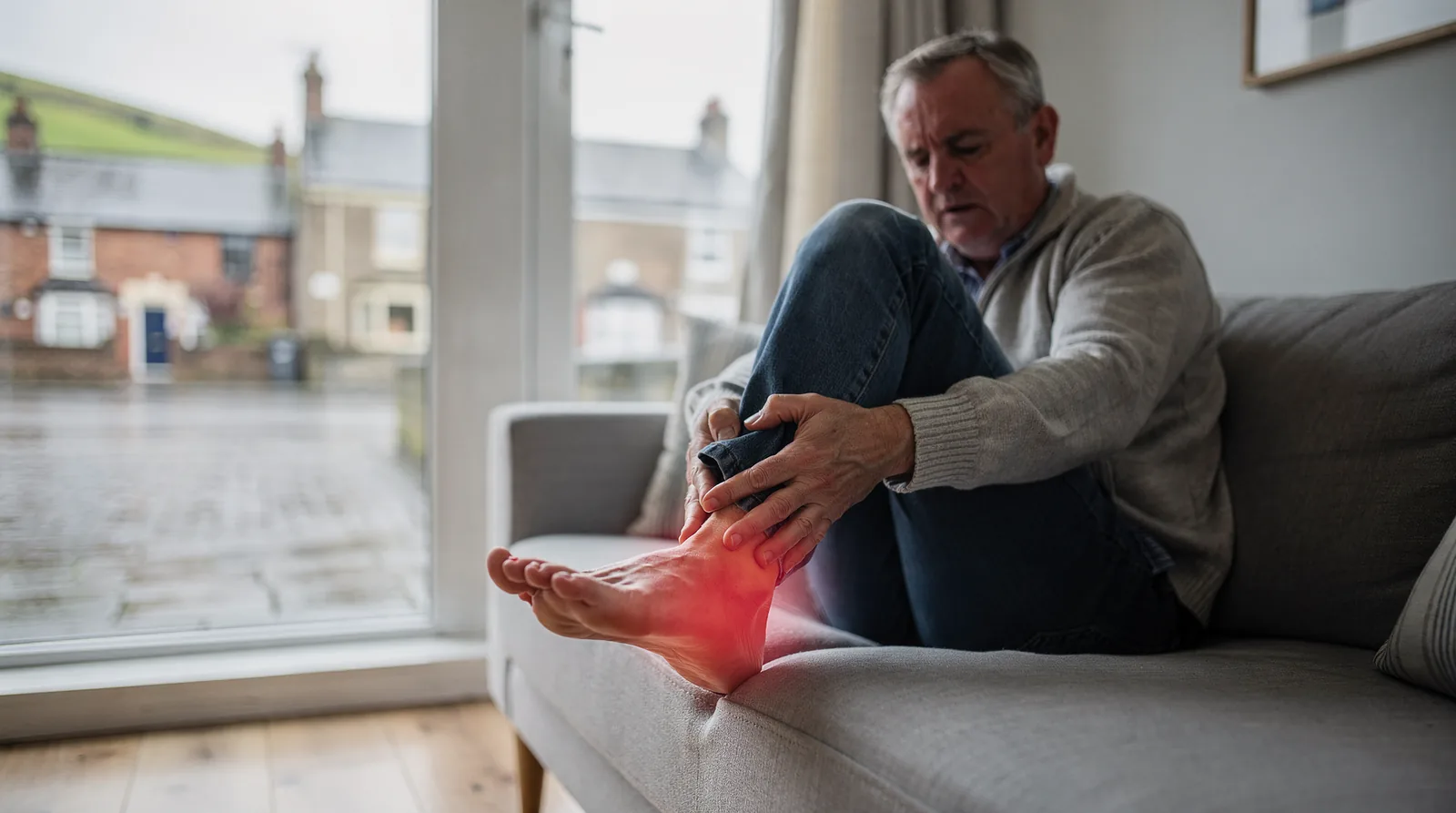
Stabbing pain at the bottom of the heel marks the clearest sign of plantar heel pain, according to a best practice guide for managing plantar heel pain. Many workers on hard shop floors and runners training across Northern Ireland’s roads. Trails recognize this sensation well before they seek plantar fasciitis treatment northern ireland clinics can provide. The pain rarely stays confined to exercise; it often disrupts ordinary daily routines long before patients book an assessment.
Sharp, stabbing heel pain tends to peak during those first steps out of bed each morning. This pattern, described in guidance on plantar fasciitis symptoms and treatment, catches many patients off guard because the discomfort can ease slightly once walking begins, only to return after long periods of standing or sitting. For someone working a full shift on concrete or completing a morning run through County Antrim or County Down, that first-step pain becomes a daily obstacle rather than an occasional nuisance.
Does plantar fasciitis affect more than just morning pain?
Yes. The condition reaches beyond isolated heel discomfort and can meaningfully disrupt daily life, athletic performance, and general well-being, particularly among active patients. Runners may notice reduced training tolerance. Workers on their feet all day often struggle with fatigue and mood strain tied to persistent pain.
Common symptoms patients report include:
- Sharp or stabbing pain at the base of the heel
- Pain concentrated during the first steps of the morning
- Discomfort returning after prolonged standing or sitting
- Reduced tolerance for running, walking, or standing on hard surfaces
- Pain that interferes with sport, work performance, or general mobility
Patients across Northern Ireland experiencing these symptoms benefit from early assessment. Delayed evaluation allows symptoms to intensify, making later-stage recovery more demanding and prolonged.
How Is Plantar Fasciitis Diagnosed and Treated Locally?
Diagnosis starts with a clinical assessment of gait, foot structure, and the point of maximum tenderness along the heel. Specialist clinics serving patients across Northern Ireland offer dedicated diagnosis. Treatment pathways for stubborn heel pain, rather than a one-size-fits-all approach. Patients searching for reliable plantar fasciitis treatment northern ireland benefit most from a structured, evidence-based process instead of guesswork.
A recently published best-practice guide for managing plantar heel pain drew on published research, expert interviews, and survey data collected directly from people who had lived with the condition. That combination of clinical evidence and patient experience shaped a stepped management pathway now used to guide treatment decisions. The guide’s recommendations rest on the best available evidence, giving clinicians a framework rather than a single fixed protocol.
What Does a Typical Treatment Pathway Look Like?
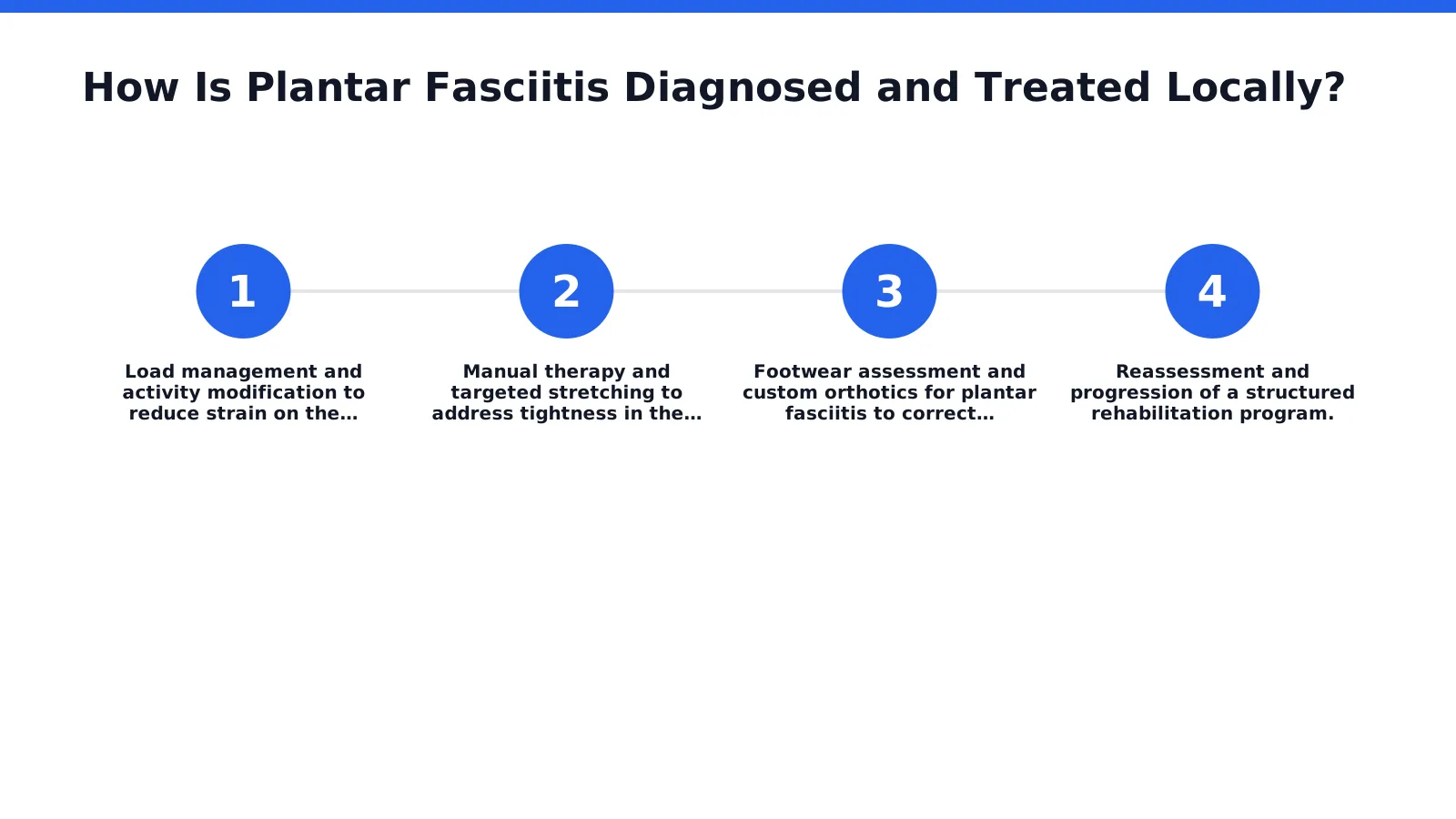
Treatment generally progresses through stages, starting conservative and escalating only when needed. A typical pathway might include:
- Load management and activity modification to reduce strain on the plantar fascia.
- Manual therapy and targeted stretching to address tightness in the calf and foot.
- Footwear assessment and custom orthotics for plantar fasciitis to correct biomechanical faults.
- Reassessment and progression of a structured rehabilitation program.
Escalation happens only after simpler measures have been given a fair trial.
Where Can Patients in Lurgan and Lisburn Access This Care?
Heel pain relief lurgan lisburn residents look for is available through Active Therapy Clinic, which operates across two Northern Ireland sites and provides multidisciplinary care from Chartered and HCPC-registered physiotherapists and podiatrists. Care under one roof matters. It means gait analysis, manual therapy, and orthotic fitting happen without patients bouncing between separate providers. That coordinated model reflects the clinic’s core promise: personalized, evidence-based rehabilitation built around measurable recovery, not generic advice.
What Does Evidence-Based Treatment Actually Involve?
Evidence-based heel pain care starts with a full biomechanical assessment, not a quick guess based on symptoms alone. Skipping this step risks months of chasing generic stretches while the actual mechanical fault, whether a stiff ankle, an abnormal gait pattern, or excess pronation, goes untreated. Effective plantar fasciitis treatment Northern Ireland patients can rely on combines podiatric and physiotherapy expertise. Heel pain rarely stems from one isolated cause.
Podiatric assessment forms the diagnostic backbone. HCPC-registered podiatrists use biomechanical gait analysis to identify the mechanical contributors driving heel pain, examining how the foot loads and strikes the ground with each step. This analysis often reveals compensations elsewhere in the leg or hip that a symptom-only exam would miss.
Physiotherapy addresses the broader picture. Chartered physiotherapy targets related musculoskeletal issues, including sports injuries and post-operative joint problems, that frequently accompany or worsen heel pain. A runner favoring one leg after an old knee injury, for example, may develop plantar fasciitis as a downstream effect rather than a standalone problem.
Why Does Treatment Need to Cover More Than Just the Heel?
Heel pain rarely exists in isolation. The lower limb functions as a connected chain. Tightness in the calf, weakness in the hip, or restricted ankle motion can all place extra strain on the plantar fascia.
What Role Does Patient Understanding Play in Recovery?
Recovery improves when patients grasp why the pain developed, not just how to manage symptoms. Understanding this common but complex condition equips patients to address it effectively and work steadily toward pain-free movement.
Comprehensive care for heel pain relief Lurgan Lisburn residents can access typically blends both disciplines:
- Biomechanical gait analysis to pinpoint mechanical causes
- Custom orthotics for plantar fasciitis to correct alignment and offload strain
- Chartered physiotherapy for related joint and muscle contributors
- Patient education to support long-term, pain-free movement
How Do Custom Orthotics Help Heel Pain?
Custom orthotics for plantar fasciitis redistribute pressure away from the inflamed heel and arch, correcting the foot mechanics that drive daily pain. Rather than masking symptoms, properly fitted devices change how weight travels through the foot with every step. For workers standing on concrete floors or runners logging miles across Northern Ireland roads, that correction matters more than any temporary fix.
Orthotics work best as part of a structured evaluation, not as an off-the-shelf guess. HCPC-registered podiatry care pairs custom orthotic fitting with biomechanical gait analysis, examining how the foot rolls, strikes, and loads through each phase of movement. This assessment identifies the specific mechanical fault behind the pain, whether it stems from overpronation, tight calf structures, or arch collapse under load, before any device gets built.
Do orthotics work alongside other treatments?
Orthotics rarely act alone in a full recovery plan. Compression therapy often complements structural correction by boosting blood flow to the lower leg, supporting tissue healing while orthotics address the underlying mechanical cause. Combining recovery tools this way treats both the symptom and the source.
Are custom orthotics only for athletes?
No. Anyone spending long hours on hard flooring, from retail staff to tradespeople, benefits from corrected foot mechanics. Heel pain relief lurgan lisburn patients include office workers, laborers, and weekend runners alike.
A well-fitted orthotic serves a broader purpose than heel pain alone:
- Improves shock absorption across the whole lower limb chain
- Reduces compensatory strain on knees and hips
- Supports return to sport, work, or everyday activity
This fits the clinic’s wider multidisciplinary approach: optimizing body function for sport, recovery, or daily living, with orthotics treated as one tool within a coordinated rehabilitation strategy.
How Do You Choose the Right Heel Pain Clinic?
Credentials separate a genuine recovery plan from guesswork. Patients across Northern Ireland searching for plantar fasciitis treatment northern ireland should first confirm that a clinic’s physiotherapists. Podiatrists hold Chartered and HCPC-registered status. This ensures qualified, multidisciplinary assessment rather than a one-size-fits-all approach. Heel pain rarely responds to a single technique. It typically needs coordinated input from both podiatry and physiotherapy to address gait, footwear, and muscle imbalance together.
Patient feedback matters too. A clinic backed by hundreds of five-star reviews signals consistency, not luck. That kind of track record, built patient by patient, tells prospective clients that outcomes hold up beyond a single success story.
What Should Patients Check Before Booking?
Waiting times deserve close attention. Morning heel pain worsens the longer treatment gets delayed. Clinics offering same-week appointments without long waiting lists give patients a real practical advantage over providers with weeks-long backlogs. Ask directly about appointment turnaround before committing.
Does the Clinic Treat Related Conditions Too?
Heel pain rarely exists in isolation from broader musculoskeletal strain. A clinic capable of building customized recovery programs for related issues, including lower back pain, sciatica, joint arthritis, and tendonitis, demonstrates the coordinated, whole-body thinking that heel pain recovery demands.
When comparing options, patients weighing heel pain relief lurgan lisburn services should look for:
- Chartered, HCPC-registered clinicians across podiatry and physiotherapy
- A verifiable volume of five-star patient reviews
- Same-week appointment access rather than lengthy waiting lists
- Customized programs covering related conditions, not just isolated symptom relief
- Clear discussion of custom orthotics for plantar fasciitis as part of a broader biomechanical plan
Active Therapy Clinic meets these criteria through its award-winning, multidisciplinary model built around measurable, patient-centered recovery outcomes.
Why Choose Active Therapy Clinic for Treatment?
Two premier clinic sites in Lurgan. Lisburn give heel pain sufferers across Northern Ireland direct access to Chartered, HCPC-registered specialists. This dual-site structure means plantar fasciitis treatment Northern Ireland patients rely on doesn’t require long-distance travel or lengthy waits. Coverage extends from both locations, reaching runners, tradespeople on concrete floors, and shift workers throughout the region.
Clinical skill alone rarely solves persistent heel pain. Active Therapy Clinic pairs technical assessment with a genuinely compassionate, patient-focused approach, aiming for measurable improvements in mobility and daily comfort rather than short-term symptom masking. That combination of expertise and engagement shapes every consultation, from initial gait analysis through to custom orthotics for plantar fasciitis and ongoing rehabilitation planning.
Scheduling flexibility matters for anyone juggling shift patterns or training schedules. Evening appointments on weekdays and Saturday morning slots make heel pain relief Lurgan Lisburn patients can actually fit into busy lives, rather than forcing time off work for a midday visit.
What Makes Active Therapy Clinic Different From a General Physiotherapy Clinic?
Active Therapy Clinic operates as a multidisciplinary practice, not a single-discipline service. Podiatry, physiotherapy, and sports massage work together under one roof, targeting body function broadly rather than treating the heel in isolation.
Care approach comparison
This structure lets recovery plans adapt whether the goal involves returning to running, standing comfortably through a full shift, or simply walking pain-free each morning.
Conclusion
In closing, plantar fasciitis demands a comprehensive, evidence-based approach that addresses both the underlying biomechanical causes and the immediate pain experience. At Active Therapy Clinic, our multidisciplinary team of Chartered physiotherapists and podiatrists combines clinical expertise with personalized treatment strategies to restore function and eliminate heel pain. Whether your condition stems from overuse, structural factors, or lifestyle demands, our award-winning clinicians across our Lurgan and Lisburn sites deliver measurable rehabilitation outcomes tailored to your recovery goals.