
Post-Surgical Knee & Hip Rehabilitation: Complete Recovery Guide
By Active Therapy, Active Therapy Clinic
Recovering from knee or hip surgery requires a structured approach that emphasises safe healing and effective rehabilitation. Understanding the nuances of post-surgical recovery is crucial for patients aiming to regain their mobility and strength. This guide delves into the phases of recovery, key rehabilitation protocols, and practical strategies to manage pain and swelling. Through a comprehensive overview, readers will learn the best practices for ensuring a smooth transition back to normal activity levels. Building on these insights, we’ll explore how to enhance joint mobility and longevity, setting the stage for lasting health benefits post-surgery.
Understanding Post-Operative Recovery
Post-operative recovery is a multifaceted process involving a series of stages that are crucial to a patient’s healing journey. After surgery, the body undergoes significant changes as it begins to heal. Initially, this involves managing pain and preventing complications such as infection. Understanding the phases of recovery can help set realistic expectations and foster motivation for rehabilitation. Beyond that, the importance of tailored rehabilitation cannot be overstated; individual recovery paths depend on specific surgical procedures and the patient’s overall health. tailored rehabilitation
In the first few days post-surgery, patients often experience swelling and discomfort, which can be alleviated with appropriate care strategies. Following this, a gradual introduction of physiotherapy and exercise is essential in restoring function. It is during rehabilitation that the focus shifts from basic healing to rebuilding strength and mobility, paving the way for a full recovery.
Recovery Trajectories After Total Knee and Hip Replacement
Total joint replacement is indicated to alleviate pain and disability associated with hip and knee osteoarthritis. Arthroplasty outcomes are typically reported together, or anecdotal comparisons are made between total knee arthroplasty (TKA) and total hip arthroplasty (THA) recovery. Limited data quantifies differences in recovery trajectories, especially with respect to performance-based outcomes.Trajectories of functional performance and muscle strength recovery differ after total knee and total hip replacement: a performance-based, longitudinal study, 2019
Phased Rehabilitation Protocols
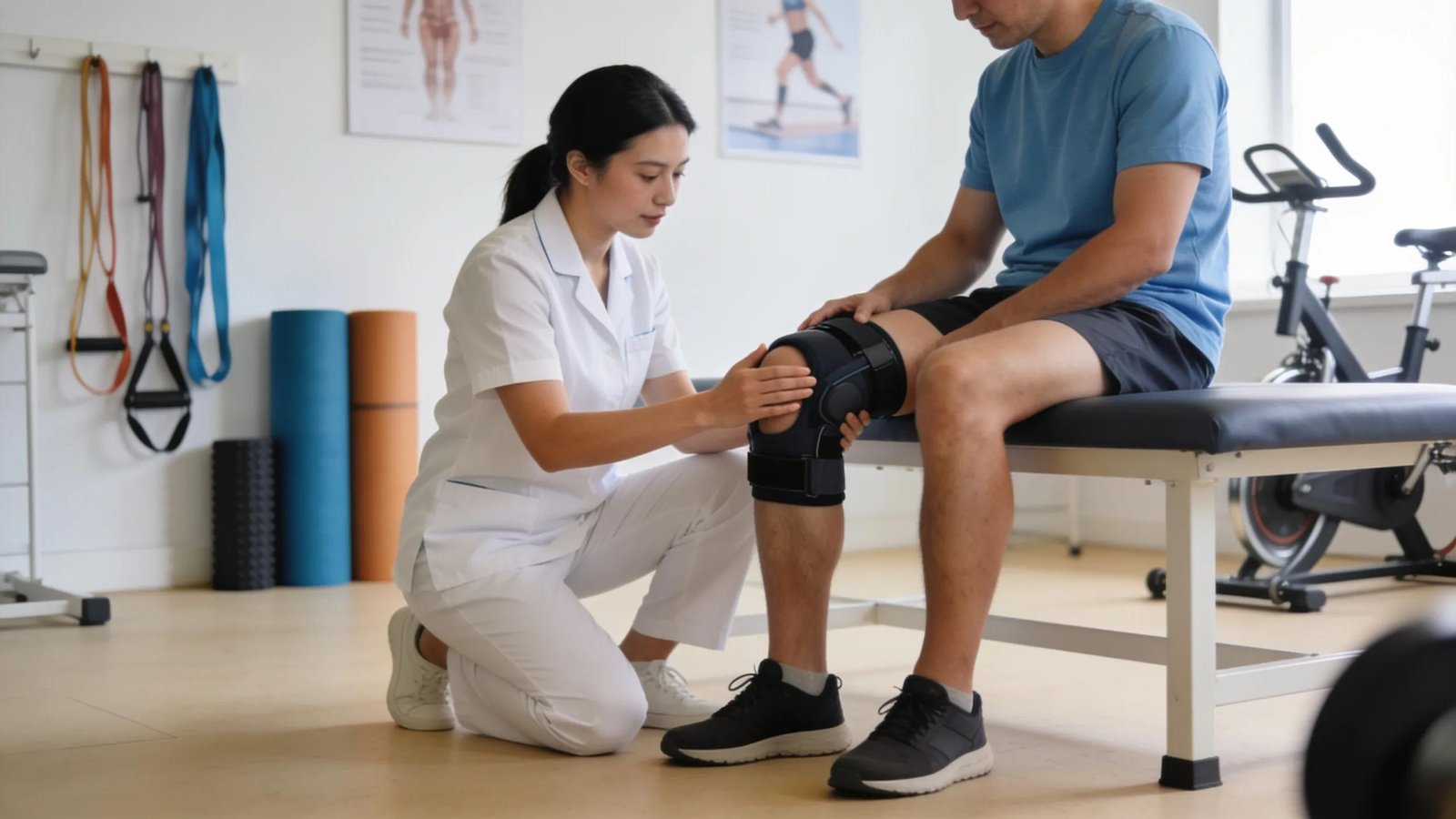
Rehabilitation after knee or hip surgery is typically divided into distinct phases that help guide the patient’s recovery journey. Each phase builds on the last, ensuring adequate healing while progressively increasing physical demand on the joint.
- Initial Recovery Phase: Focuses on reducing pain and swelling while promoting healing.
- Restoration Phase: Introduces physiotherapy sessions that emphasise gentle mobility and strength-building exercises.
- Advanced Strengthening Phase: Involves more intensive exercises designed to improve muscle strength and joint stability.
For optimal recovery, it�91s beneficial to engage with specialised rehabilitation services, such as those offered by Active Therapy Clinic, which focus on post-surgical care for knee and hip patients in Northern Ireland. These services can set the foundation for effective recovery and ensure that patients return to their activities safely.
ð Book Post-Op Rehabilitation (Lisburn Clinic)
Fast-Track Recovery Protocols for Knee Arthroplasty
During the last years, programmes to enhance postoperative recovery and decrease morbidity after total knee arthroplasty, have been developed across a variety of surgical procedures and referred to as 00Fast-Track Surgery01. In this study we aimed to find some answers in the management of osteoarthritic patients subjected to total knee arthroplasty, by using the Fast-Track methodology. To this purpose we evaluated parameters such as early mobilisation of patients, better pain management, bleeding, possible complications, reduced hospitalisation time, an overall improved recovery and patient satisfaction. Clinical evidence of traditional vs fast track recovery methodologies after total arthroplasty for osteoarthritic knee treatment. A retrospective observational study, 2018
Importance of Individualised Care Plans
Each patient’s recovery is unique, making individualised care plans essential. These plans take into account the specific type of surgery, the patient�91s age, physical condition, and personal goals. By tailoring rehabilitation protocols, healthcare providers can more effectively help patients achieve their recovery milestones.
Pain and Swelling Management
Managing pain and swelling is fundamental in the post-surgical recovery process. Effective strategies can significantly improve comfort and facilitate quicker rehabilitation. Non-pharmaceutical options such as ice therapy, elevation, and compression can be invaluable in controlling swelling and minimising discomfort.
Non-Pharmaceutical Pain Management Options
- Ice Therapy: Applying ice packs can reduce swelling effectively in the first few days post-surgery.
- Elevation: Keeping the operated limb elevated helps decrease fluid accumulation and supports recovery.
- Compression: Using elastic bandages or compression garments can assist in swelling control and enhance comfort.
Non-Pharmacological Pain Management Post-Surgery
Integrating non-pharmacological interventions into multimodal pain management regimens can improve postoperative pain control and reduce reliance on opioids. Further research is crucial to definitively establish the efficacy of individual interventions and optimise their combined use in clinical practice. Additionally, enhanced training programmes for nurses and initiatives to facilitate the implementation of these strategies are necessary for their successful adoption.
Complementary approaches to postoperative pain management: a review of non-pharmacological interventions, MA Iqbal, 2025
When to Seek Medical Attention
It�91s essential to recognise when pain or swelling is beyond normal post-operative expectations. Signs indicating the need for medical intervention include persistent swelling, increasing pain despite treatment, or fever, suggesting potential complications. Proactive communication with healthcare providers can lead to timely adjustments in treatment plans.
Joint Mobility and Gait Training
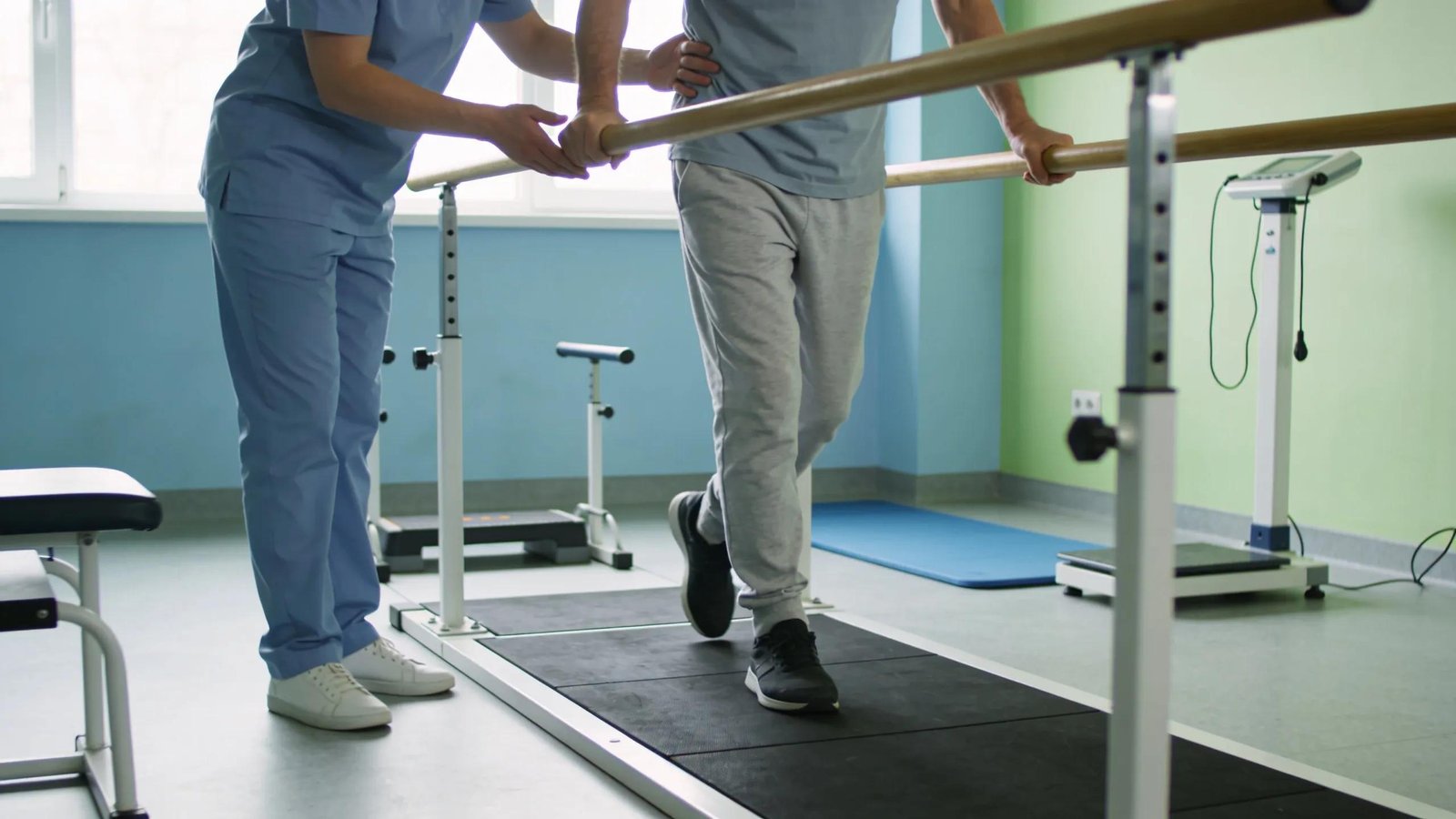
Restoring joint mobility is critical following surgery as it directly impacts recovery progress. Early intervention with mobility exercises promotes flexibility and strength in the affected joints. Techniques designed to improve gait are equally important, as they help to restore normal movement patterns that may have been disrupted by pain or immobility.
Techniques for Mobility Restoration
Engaging in specific exercises tailored to enhance joint motion can greatly assist healing. Helpful techniques include:
- Gentle knee bends to promote flexibility.
- Hip flexor stretches to improve range of motion.
- Weight shifting exercises that encourage balance and stability.
Monitoring Progress
Regularly assessing progress with healthcare providers can help identify areas needing additional focus. Tools such as gait analysis, strength evaluations, and mobility assessments allow for fine-tuning rehabilitation strategies.
Long-Term Joint Longevity
Promoting long-term joint health is an essential aspect of post-surgical rehabilitation. After recovery, patients should incorporate lifestyle changes and ongoing care strategies to maintain joint health. Regular physical activity strengthens surrounding muscles, provides necessary support to the joints, and promotes overall joint longevity.
Lifestyle Changes for Joint Health
- Balanced Diet: Eating a diet rich in anti-inflammatory foods supports healing and reduces joint stress.
- Regular Exercise: Continuing with joint-friendly exercises will help maintain mobility and prevent stiffness.
- Weight Management: Maintaining a healthy weight can significantly reduce stress on the knee and hip joints.
Integrating these strategies into daily routines can enhance overall joint function and longevity, transporting the benefits accrued during rehabilitation into a sustainable lifestyle.